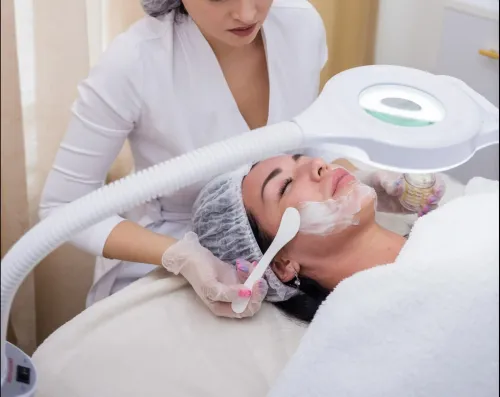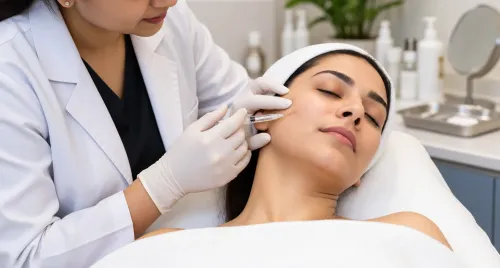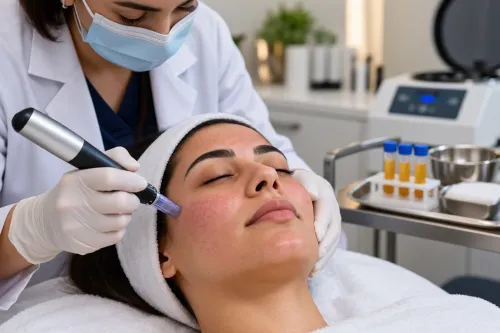
Healthy-looking skin is influenced by far more than complexion alone. Texture, hydration, elasticity, pigmentation, pore appearance, fine lines, and accumulated sun damage all affect how fresh or tired the skin appears. This is why skin rejuvenation is better understood as a personalised approach rather than a single cosmetic procedure.
People in Santacruz, Maharashtra, considering professional skin treatments can benefit from understanding what rejuvenation can realistically address and why dermatological assessment matters.
What Skin Rejuvenation Actually Means
Skin rejuvenation refers to treatments intended to improve one or more aspects of skin quality.
Common concerns include:
- Uneven skin tone
- Rough texture
- Fine lines
- Enlarged-looking pores
- Dullness
- Mild pigmentation
- Reduced elasticity
- Signs of sun damage
- Dehydrated-looking skin
Because these concerns can have different causes, one treatment cannot automatically solve all of them.
Skin Assessment Comes Before Treatment
Someone describing their skin as dull may actually have pigmentation, dehydration, accumulated dead skin cells, sun damage, or an impaired skin barrier.
Similarly, uneven texture could be associated with acne scars, enlarged pores, ageing changes, or previous inflammation.
A consultation with Dr. Purva can help identify these differences before a skin rejuvenation plan is selected.
The assessment may consider skin type, sensitivity, active acne, pigmentation tendency, previous procedures, current products, medications, and the amount of downtime a patient is comfortable with.
Different Procedures Have Different Roles
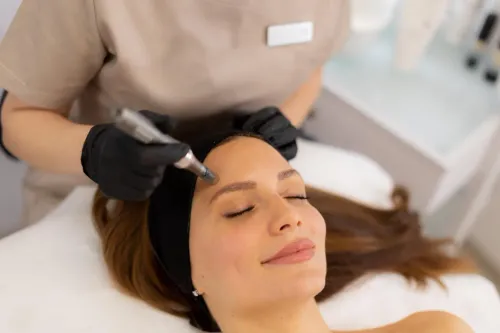
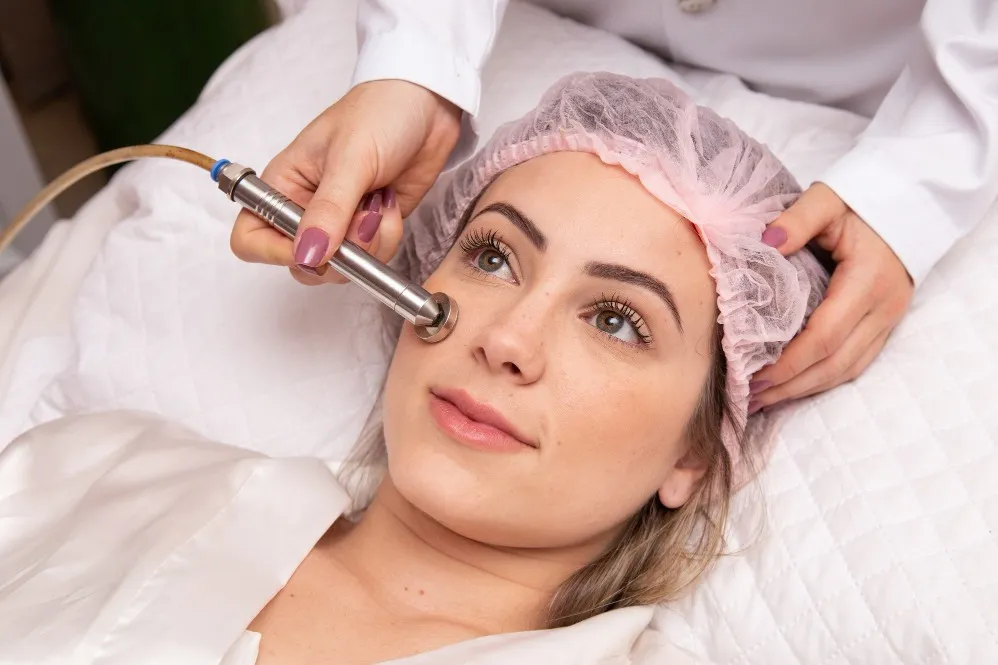
Depending on the concern, rejuvenation plans may use treatments that exfoliate the surface, stimulate collagen, target pigmentation, improve hydration, or support gradual skin remodelling.
The most appropriate approach depends on what needs improvement.
For example, superficial treatments may be useful for certain texture and tone concerns, while deeper acne scars may require procedures that stimulate remodelling below the skin surface.
This distinction helps prevent unrealistic expectations.
Consistency Matters More Than Aggressive Treatment
A common misconception is that stronger treatment automatically means better results. Skin biology does not work that way.
Over-treating the skin can potentially lead to irritation, prolonged redness, barrier disruption, or pigmentation, particularly in individuals who are prone to post-inflammatory pigmentation.
A dermatologist may therefore recommend a gradual treatment programme with appropriate intervals between sessions.
The goal is controlled improvement while giving the skin adequate time to recover.
Protecting Results Between Sessions
Professional treatment represents only one part of rejuvenation. Daily habits can significantly influence how the skin looks over time.
Useful measures include regular sunscreen use, suitable moisturisation, avoiding unnecessary product layering, and following dermatologist-recommended aftercare.
Sleep, smoking, nutritional habits, stress, and repeated sun exposure may also influence overall skin appearance.
Choosing Rejuvenation Based on Your Skin
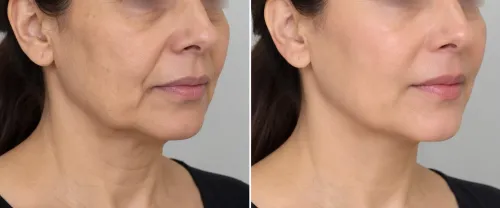
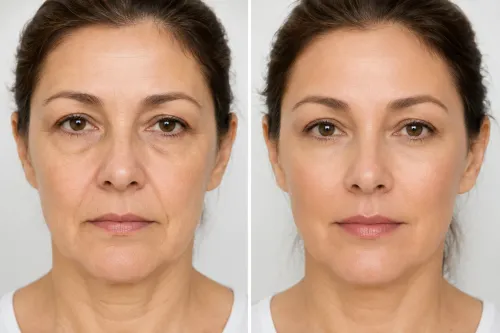
Online before-and-after photographs can make particular procedures look universally effective, but results vary according to skin characteristics and the underlying concern.
Someone primarily bothered by pigmentation may need a different approach from someone concerned about fine lines or acne scars.
At Nucleus Eye And Skin Clinic, evaluation can help determine whether a single procedure is appropriate or whether a carefully planned combination would make more sense.
Good skin rejuvenation should ultimately be based on diagnosis rather than trends. Understanding what is making the skin appear dull, uneven, aged, or textured provides a more reliable foundation for selecting treatment and setting realistic expectations.
Keywords