A forehead line, an under-eye crease and a nasolabial fold do not form for the same reason, so treating them with one method can produce weak or unwanted results. By identifying whether a line comes from muscle movement, volume loss, skin texture or laxity, you can compare suitable treatments and ask better questions during a consultation.
Key takeaways
- Check lines at rest and during frowning, smiling and squinting.
- Use botulinum toxin for movement-related lines and fillers for lost volume.
- Choose resurfacing or skin care for texture and fine static lines.
- Ask whether a staged plan fits your line type and recovery time.
Identify the Type of Line Before Choosing a Treatment
Watch the line at rest, then repeat the assessment while you frown, smile, squint and relax. Dynamic lines appear with muscle movement and soften when the face rests; static lines remain visible without expression.
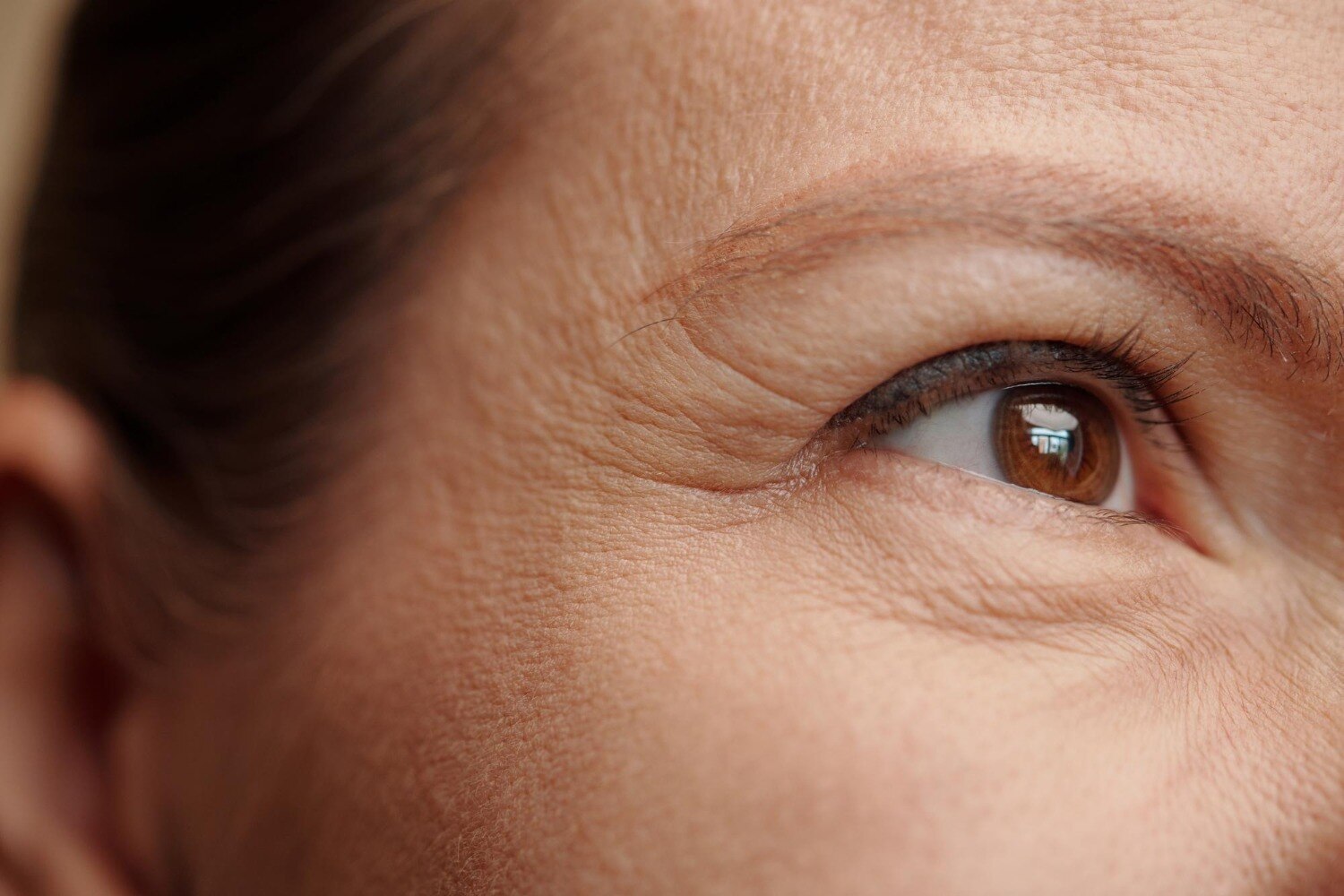
A crease that stays sharply cut into the skin is an etched line, while many fine, crisscrossed wrinkles with thin texture indicate crepey skin lines.
| Type | How to recognise it | Usual treatment match |
|---|---|---|
| Dynamic lines | Forehead, glabellar or crow’s-feet lines deepen during expression and ease at rest | Botulinum toxin to reduce targeted muscle activity; effects commonly last about 3–4 months |
| Static lines | Visible on a relaxed face but not deeply carved | Daily sunscreen, topical tretinoin when appropriate, resurfacing, and sometimes filler |
| Etched or crepey lines | Grooves remain after relaxation, or the surface looks thin, dry and finely crinkled | Resurfacing, microneedling, chemical peels selected for your skin type, and consistent skin care |
| Volume-related lines | Hollows or folds follow lost cheek, temple, lip or chin support | Hyaluronic-acid or other soft-tissue filler; swelling, lumps and vascular occlusion are important risks |
| Laxity-related lines | Skin sags or gathers, making folds more prominent when tissue descends | Skin-tightening procedures or surgery for substantial laxity; resurfacing helps texture, not major drooping |
Botulinum toxin cannot replace cheek volume or smooth etched texture, and excessive dosing can weaken expression. Horizontal neck or “necklace” lines can involve flexion, muscle activity, laxity and sun damage; treatment requires anatomical expertise because vessels, nerves, airway structures and swallowing muscles lie nearby.
Match Common Facial Lines to the Right Approach
Match movement, volume loss and surface damage to the treatment; using filler for every wrinkle creates swelling without correcting the cause.
| Area | Best-fit options | Key limitation |
|---|---|---|
| Forehead lines | Botulinum toxin; tretinoin or resurfacing for etched lines | Excess toxin can lower the brows or make expression look stiff. |
| Glabellar lines | Botulinum toxin for frown-related “11s”; resurfacing for lines visible at rest | Filler near this area carries important vascular risks and needs expert assessment. |
| Crow’s feet | Low-dose botulinum toxin; fractional resurfacing for etched texture | Under-treating movement and over-treating skin texture require different plans. |
| Under-eye lines | Conservative toxin for lateral expression lines; resurfacing, topical tretinoin or skin boosters for crepey texture | Filler suits a hollow tear trough, not fine surface lines, and requires careful anatomical assessment. |
| Nasolabial folds | Filler when cheek or midface volume has fallen; resurfacing for surface texture | Filling without assessing cheek support can look heavy. |
| Marionette lines | Filler for volume-related grooves; resurfacing for etched skin and laxity treatments when needed | Toxin alone cannot replace lost support. |
| Vertical lip lines | Fractional resurfacing, tretinoin or carefully placed filler; selective toxin in expert hands | Lip movement, speech and drinking make dosing especially sensitive. |
| Neck bands | Selective botulinum toxin for prominent platysmal bands; resurfacing and skin care for texture | Neck injections require caution around vessels, nerves, swallowing muscles and airway-related structures. |
| Fine cheek lines | Fractional laser, microneedling, tretinoin or skin boosters | Filler does not remove rough, sun-damaged texture. |
A clinician may combine approaches, but assess each area separately for movement, volume, skin thickness and laxity. Filler can cause bruising, lumps, asymmetry, delayed inflammation or vascular occlusion, including vision loss or stroke.
Botulinum Toxin and Fillers Solve Different Problems
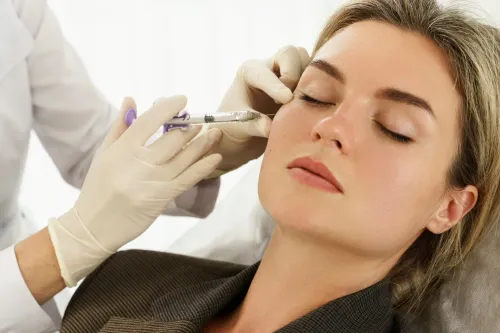
Botulinum toxin versus fillers is a question of movement versus structure. Botulinum toxin suits expression lines created by facial muscle movement, such as forehead lines, glabellar lines and crow’s feet. It temporarily reduces targeted muscle activity, with visible effects commonly lasting about 3–4 months.
| Treatment | Best match | Main limitation |
|---|---|---|
| Botulinum toxin | Lines that appear or deepen during expression | Does not replace lost facial volume or smooth etched skin texture |
| Dermal filler | Hollowing, folds or contours affected by lost facial volume | Cannot reliably correct muscle-driven lines and can add unwanted bulk |
Filler addresses lost facial volume by supporting areas such as the cheeks, chin or selected folds. Injecting directly into a crease is not always the right answer; restoring nearby support can improve the fold more naturally.
Under-eye filler needs particular caution because thin skin, swelling, irregularities and rare vascular or visual complications make the area unsuitable for indiscriminate treatment.
A treatment consultation determines whether one approach or a staged combination makes sense. The clinician assesses:
- facial muscle movement and your preferred degree of expression
- volume loss, skin thickness and laxity
- symmetry and the cause of each line
- medical history and current medicines
- whether treating one area would improve or worsen another
Combining treatments works when each addresses a different cause, such as reducing muscle activity while restoring cheek support. More product is not automatically better; excessive toxin can weaken expression, while excess filler can create heaviness without correcting the underlying problem.
What Happens During Treatment and Recovery
Preparation starts with a medical review: disclose pregnancy, allergies, cold sores, bleeding disorders, medicines, and previous fillers or toxin treatments. Arrive with clean skin and avoid alcohol, strenuous exercise, and non-essential blood-thinning medicines only if your clinician tells you to. Do not stop prescribed medication independently.
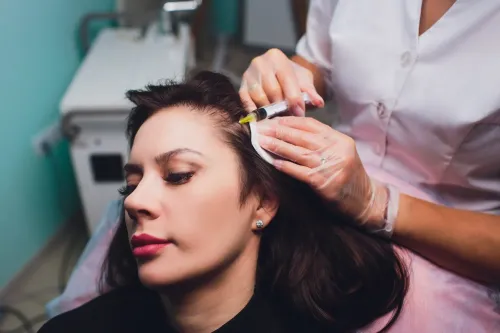
A typical appointment takes 20 to 60 minutes, depending on the areas and whether you receive injections, a peel, laser, or microneedling. The clinician cleans and marks the skin; a numbing cream may sit for 20 to 45 minutes before resurfacing or filler treatment.
Botulinum toxin injections take only a few minutes, while application-based treatments take longer.
Expect brief pinching during injections and warmth, stinging, or pressure during applications. Mild swelling and redness are common, and bruising can follow filler injections. Seek urgent help for severe pain, pale or dusky skin, vision changes, weakness, or trouble breathing.
Follow injection aftercare carefully:
- Keep the treated area clean and avoid rubbing or facial massage unless instructed.
- Skip strenuous exercise, alcohol, saunas, and intense heat for the period your clinician specifies.
- Use broad-spectrum SPF 30 or higher and reapply after sweating or swimming.
- Do not pick peeling skin or apply unapproved products after resurfacing.
Assess botulinum toxin at 10 to 14 days. Assess filler after about two weeks, when early swelling has settled; resurfacing and microneedling results take longer and build across sessions.
Compare Resurfacing, Skin Care and Staged Plans
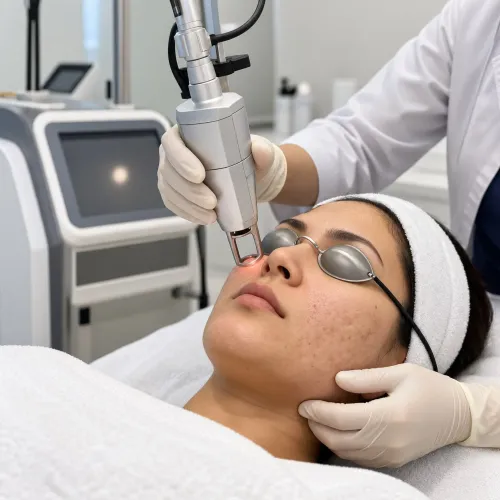
For fine surface lines, choose based on how much change you want and how much recovery you can accept. Chemical peels for fine lines and topical tretinoin suit gradual improvement; fractional laser resurfacing reaches deeper texture; laser toning targets uneven pigment more than wrinkles.
| Option | Best use | Darker skin, downtime, sessions, risks and longevity |
|---|---|---|
| Chemical peel | Mild lines, roughness and uneven tone | Superficial peels suit cautious treatment; a series is common. Deeper peels bring more downtime and higher risks of post-inflammatory hyperpigmentation, scarring and prolonged redness. Results vary by acid and concentration. |
| Fractional laser resurfacing | Etched lines and sun-damaged texture | Nonablative treatment means less downtime but subtler, repeated results. Ablative treatment is stronger and riskier, especially for darker skin, with pigment change and scarring possible. Improvement can last years with sun protection. |
| Laser toning | Pigment and overall tone, not deep wrinkles | Usually little downtime and multiple sessions. Darker skin still faces mottled lightening or pigment change. Fine-line improvement is limited and maintenance is common. |
| Microneedling for wrinkles | Fine lines, texture and some acne scars | Multiple sessions produce gradual change with short redness. Avoid active infection; poor technique can cause infection, scarring or pigment change. Results require maintenance. |
| Skin boosters | Hydration and mild crepiness | Several sessions may be needed, with temporary swelling or bruising. Benefits usually last months, not years; injection risks include infection and nodules. |
| Topical tretinoin | Photodamage and fine lines | No procedure downtime, but dryness, peeling and sun sensitivity are common. Start less often and increase as tolerated; improvement takes months and needs continued use. |
A staged plan often starts with sunscreen and tretinoin, then adds microneedling or a conservative peel before laser. At Dr Purva Nucleus Eye And Skin Clinic, ask which acid, laser wavelength, settings and test area fit your skin tone and pigmentation history.
Frequently asked questions
How do you identify the type of facial line before treatment?
Watch the line at rest, then frown, smile, squint and relax. Dynamic lines change with movement; static lines remain visible when your face rests.
Which treatments match common facial lines?
Dynamic lines often suit muscle-relaxing treatment, while static lines, volume loss and rough texture may need fillers, resurfacing or skin care.
How are botulinum toxin and fillers different?
Botulinum toxin reduces selected muscle movement. Fillers add volume or support, so they address different causes of facial lines.
What should you compare when choosing a wrinkle treatment?
Compare the line’s cause, treatment area, expected downtime, recovery process and whether a staged plan is more suitable than one procedure.