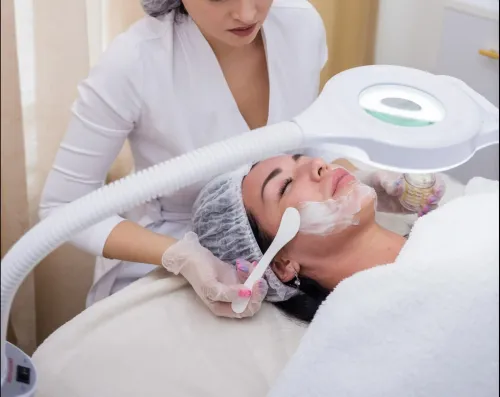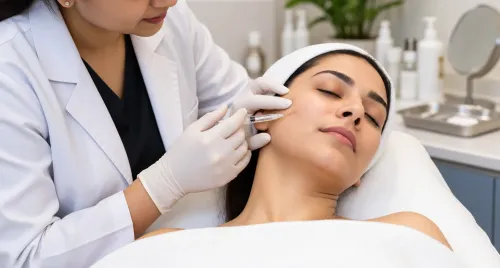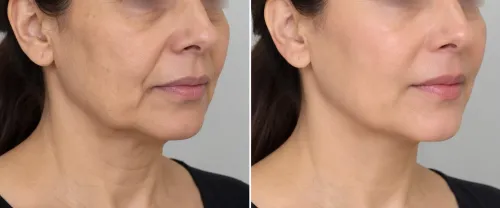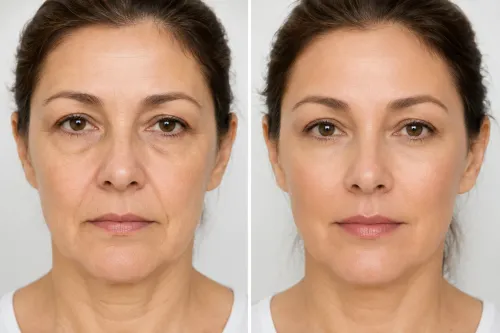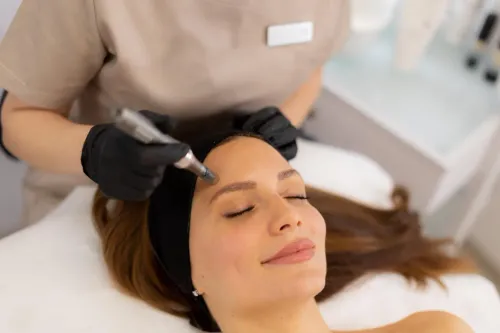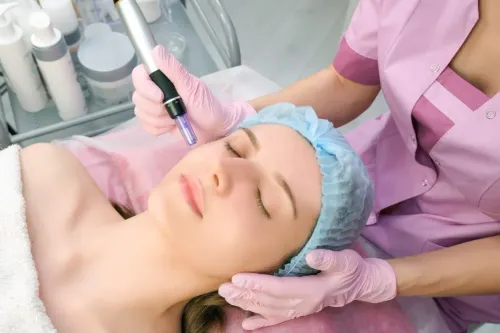
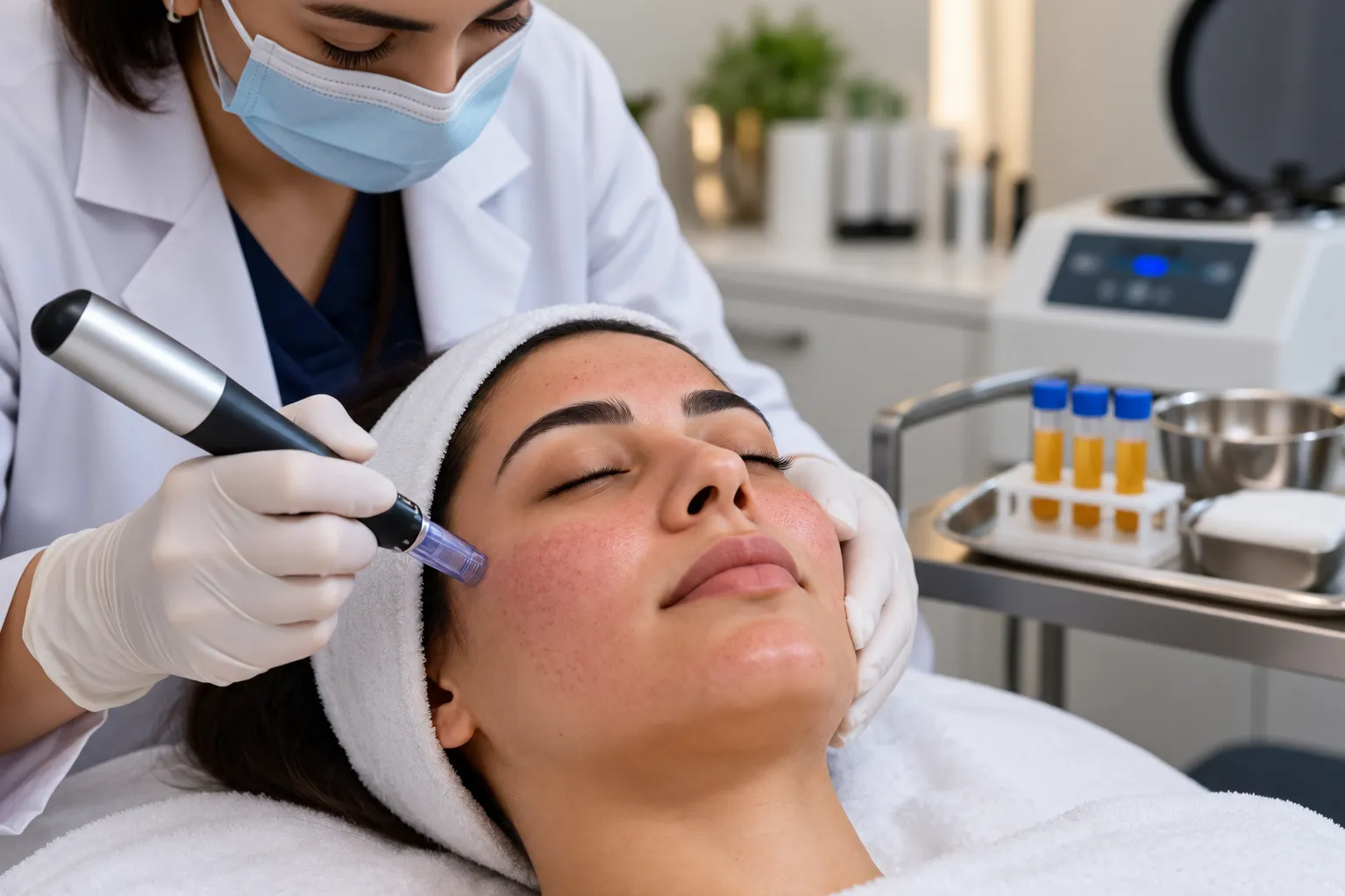
The term vampire facial has become widely recognised through social media, but the procedure deserves a more clinical explanation than its dramatic name suggests. It generally refers to aesthetic treatment involving platelet-rich plasma, commonly called PRP, often used alongside a skin procedure such as microneedling.
For patients in Santacruz, Maharashtra, evaluating this option requires understanding what PRP is, what the procedure is intended to achieve, and where its limitations lie.
What Happens During a Vampire Facial
PRP is prepared from a patient’s own blood.
A small blood sample is collected and processed to separate a platelet-rich component. Depending on the treatment plan, the prepared material may then be used as part of a dermatologist-led aesthetic procedure.
The intention is to utilise biological components present in platelets within a controlled treatment protocol.
Why Patients Consider the Procedure
A vampire facial may be discussed for people interested in improving aspects of skin quality such as texture or overall rejuvenation.
However, patients should not assume that PRP automatically treats every cosmetic concern.
Deep acne scars, significant pigmentation, facial volume loss, and substantial skin laxity are different problems and may require different procedures.
How It Differs From Microneedling Alone
Microneedling itself creates controlled micro-injuries intended to stimulate skin remodelling.
When PRP is incorporated, the treatment protocol changes, but that does not mean every patient necessarily needs the combination.
Dr. Purva may assess the patient’s skin concern, scar type, medical history, expectations, and previous treatments before deciding whether PRP has a useful role.
Important Safety Considerations
Although PRP is prepared from the patient’s own blood, the overall procedure still requires appropriate medical standards.
Patients should look for:
- Proper clinical assessment
- Sterile blood collection
- Appropriate processing protocols
- Sterile treatment technique
- Clear aftercare instructions
- Realistic explanation of outcomes
People with certain medical conditions, blood-related disorders, infections, or medications may require additional evaluation before treatment.
Results Should Be Viewed Realistically
Online marketing sometimes presents regenerative treatments as instant transformations. Skin remodelling is usually more gradual.
The appearance of the skin immediately after a procedure should not be confused with the final outcome.
Patients may experience temporary redness, swelling, sensitivity, or pinpoint marks depending on the procedure performed alongside PRP.
The expected recovery period should be discussed beforehand, especially when treatment needs to fit around work or social commitments.
Making an Informed Decision
Before choosing treatment, ask what specific concern is expected to improve and whether alternative procedures could address it more directly.
For example, pigmentation-focused concerns may require a different strategy from acne scarring, while significant facial volume changes may need another aesthetic approach entirely.
Nucleus Eye And Skin Clinic can evaluate whether PRP-based rejuvenation fits the patient’s broader skin-care plan.
The unusual name may have made the vampire facial famous, but treatment decisions should remain grounded in dermatology. Understanding the procedure, its intended role, expected recovery, alternatives, and realistic limitations gives patients a much better basis for deciding whether it suits their skin goals.
Keywords