Hair thinning is one of the most common concerns affecting both men and women. While losing a few strands every day is considered normal, noticeable hair fall, reduced hair density, or a widening part line may indicate an underlying condition that needs professional attention. Platelet-Rich Plasma (PRP) therapy has become a popular dermatological treatment because it uses the body's own healing properties to support healthier hair growth.
Before deciding whether PRP is suitable, it is important to understand how the treatment works, who can benefit from it, and what results can realistically be expected.
Understanding PRP Hair Treatment
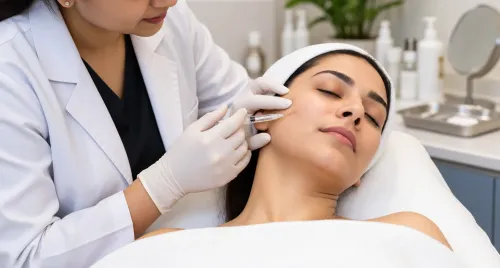
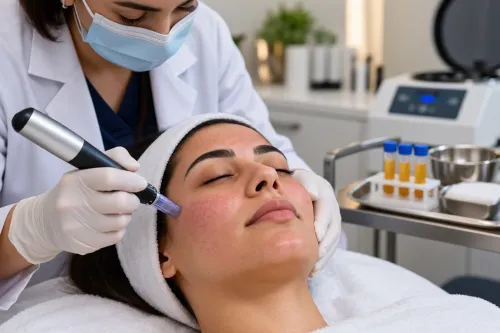
PRP stands for Platelet-Rich Plasma. The procedure begins by drawing a small amount of the patient's blood. The blood is then processed to separate platelets, which contain growth factors that may help stimulate weakened hair follicles.
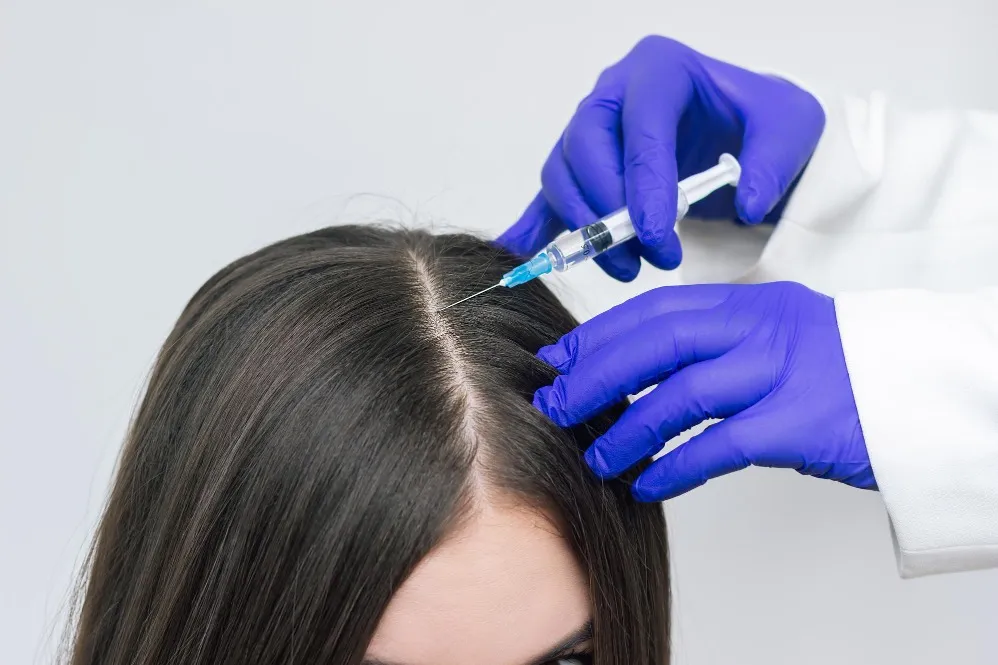
These concentrated platelets are injected into specific areas of the scalp where hair thinning is most noticeable. Since the treatment uses the patient's own plasma, it is generally considered safe when performed by an experienced dermatologist.
Who Can Benefit from PRP?
PRP is often recommended for people experiencing:
- Early male or female pattern hair loss
- Hair thinning
- Increased hair shedding
- Hair weakening after illness or stress
- Mild reduction in hair density
Patients with advanced baldness may require different treatment options, making an expert evaluation essential before starting therapy.
What Happens During the Procedure?
Most PRP sessions are completed within an hour.
The treatment usually includes:
- Blood collection
- Platelet separation
- PRP preparation
- Targeted scalp injections
Patients can usually return to their daily routine soon after the appointment.
How Many Sessions Are Usually Needed?
Hair grows gradually, so improvements take time.
Most dermatologists recommend multiple sessions depending on:
- Severity of hair loss
- Age
- Hair growth cycle
- Individual response to treatment
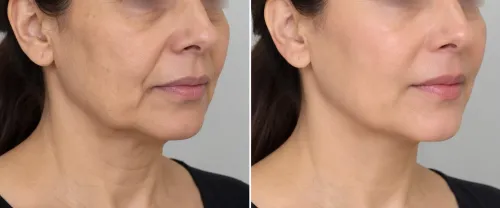
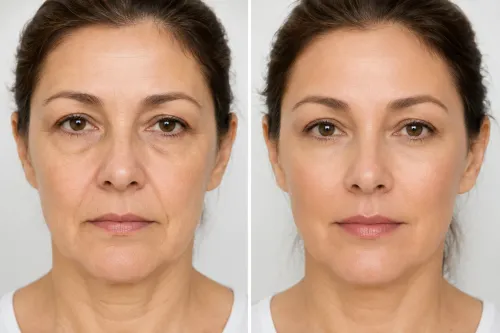
Visible improvements often include reduced hair shedding, healthier scalp condition, and increased hair thickness over time.
Supporting Better Hair Growth
PRP works best when combined with healthy habits.
These include:
- Eating enough protein
- Managing stress
- Treating dandruff promptly
- Avoiding harsh chemical treatments
- Following a dermatologist-recommended hair care routine
People searching for PRP Hair Treatment in Khar are often looking for a medically guided solution rather than temporary cosmetic products. At Nucleus Eye And Skin Clinic, Dr. Purva carefully evaluates the scalp, identifies the cause of hair thinning, and recommends personalized treatment plans that may include PRP along with other evidence-based therapies when appropriate.
Keywords