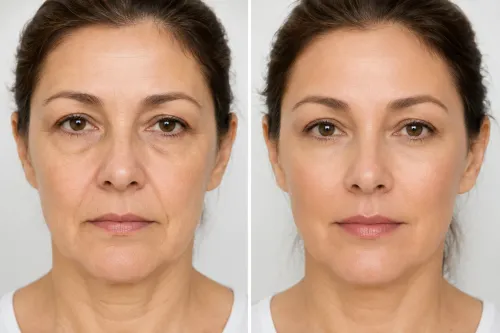
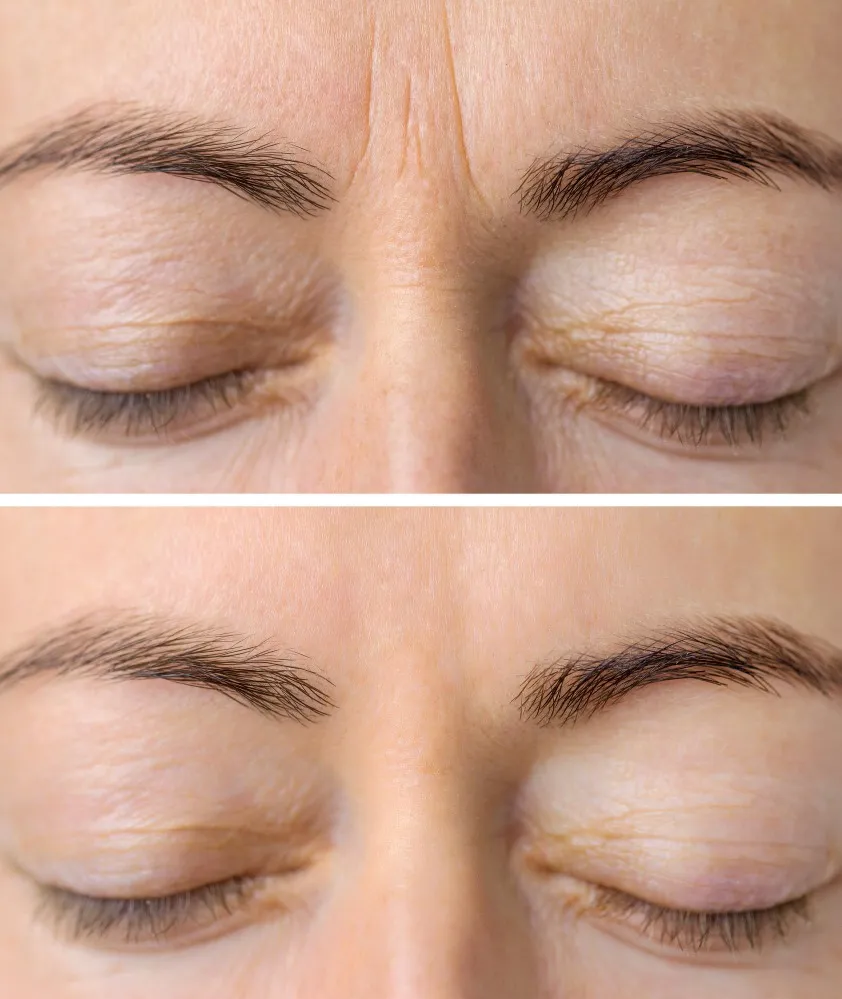
Fine lines and wrinkles are a normal part of aging, but their appearance can vary considerably from one person to another. Sun exposure, facial expressions, genetics, lifestyle habits, skin hydration, and collagen loss all influence how quickly these changes become noticeable. For people exploring wrinkle treatment, understanding the cause and depth of wrinkles is an important first step before choosing any procedure.
For individuals in Bandra, Maharashtra, access to dermatologist-led aesthetic care makes it possible to approach ageing concerns through a personalised skin assessment rather than relying only on over-the-counter anti-ageing products.
Why Wrinkles Become More Noticeable
Young skin contains abundant collagen and elastin, proteins that contribute to firmness and flexibility. Their production gradually declines with age. Repeated facial movement and environmental exposure can further contribute to lines around the eyes, forehead, mouth, and other areas.
Wrinkles are generally influenced by factors such as:
- Natural collagen reduction
- Long-term ultraviolet exposure
- Repeated facial expressions
- Smoking and environmental pollutants
- Dryness and reduced skin hydration
- Changes in facial volume
- Genetics and skin type
This is why two people of the same age may have very different patterns of facial ageing.
How Dermatologists Assess Wrinkles
Effective wrinkle treatment is not simply about selecting the most popular cosmetic procedure. A dermatologist first needs to understand whether the concern involves dynamic expression lines, fine surface lines, deeper creases, volume loss, pigmentation, skin laxity, or a combination of these issues.
Dr. Purva may assess skin texture, facial movement, sun damage, hydration, pigmentation, and overall facial structure before discussing suitable options.
This evaluation matters because treatments designed for surface texture may not address deeper structural ageing, while procedures intended for volume restoration may not be appropriate for every fine line.
Treatment Options Depend on the Skin Concern
Modern dermatology offers multiple approaches to age-related skin changes. Depending on assessment findings, a treatment plan may involve procedures that support collagen production, improve skin texture, restore hydration, address pigmentation, or reduce the appearance of specific lines.
In some cases, combining different approaches may be considered because facial ageing rarely involves only one process.
For example, a person may simultaneously have fine lines, uneven pigmentation, reduced firmness, and dehydration. Treating only one concern may therefore provide incomplete improvement.
Daily Skin Care Still Matters
Clinical procedures work best when supported by sensible everyday skin care.
A practical routine may include:
- Gentle cleansing suitable for the skin type
- Regular moisturisation
- Broad-spectrum sunscreen
- Dermatologist-recommended active ingredients when appropriate
- Avoiding excessive sun exposure
- Consistent rather than aggressive skin care
Sunscreen is particularly important because repeated ultraviolet exposure contributes to premature collagen breakdown and pigmentation.
When Should Wrinkles Be Evaluated
There is no specific age at which someone needs aesthetic treatment. The decision depends on the individual’s concerns, skin condition, expectations, and medical suitability.
A consultation may be useful when wrinkles have become more noticeable, home skin care is producing limited improvement, or someone wants to understand which treatments are genuinely appropriate for their skin.
At Nucleus Eye And Skin Clinic, wrinkle concerns can be evaluated within the broader context of skin quality rather than treating every visible line in isolation.
The aim of responsible aesthetic dermatology is not to make every face look the same. It is to identify the changes contributing to an aged appearance and choose proportionate treatments based on the person’s facial characteristics, skin condition, and expectations.
Keywords