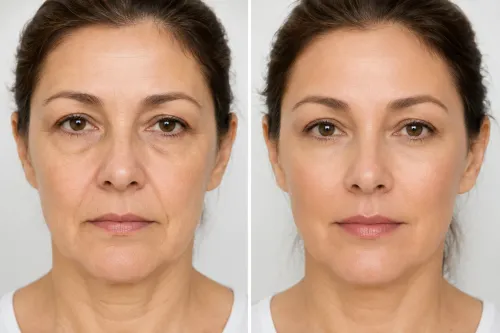
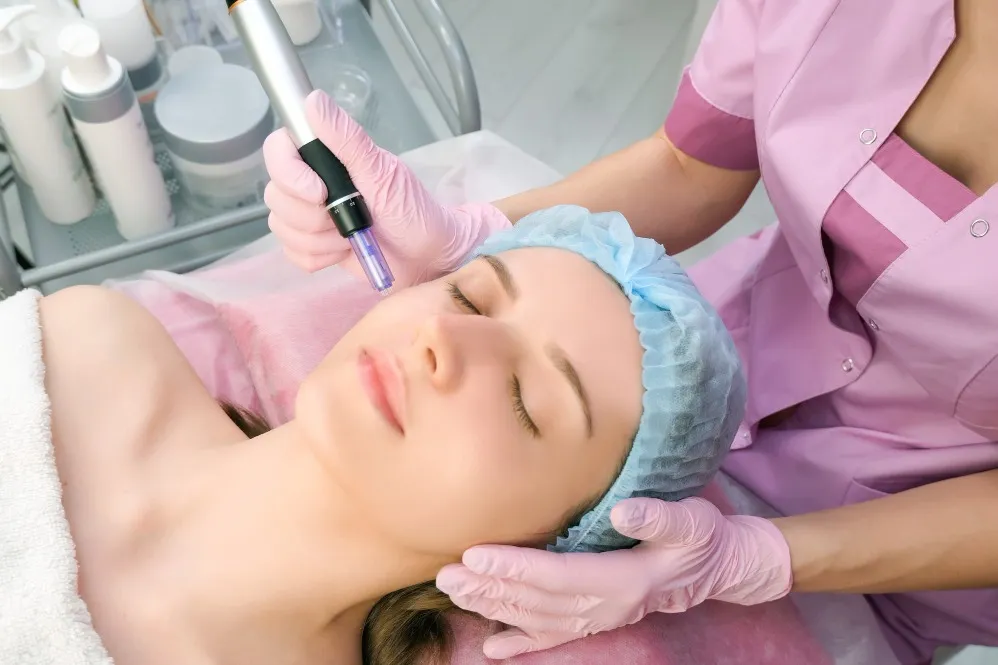
Regenerative approaches have become an increasingly discussed area of aesthetic medicine, with exosomes therapy attracting particular interest. Exosomes are tiny extracellular vesicles involved in communication between cells, and products associated with exosome technology are being explored across regenerative and aesthetic applications.
For people in Andheri, Maharashtra, considering newer aesthetic procedures, it is important to understand that emerging treatments should be evaluated according to product quality, evidence, regulatory considerations, and individual suitability rather than social-media popularity.
Understanding Exosomes in Simple Terms
Cells communicate with one another using different biological signals. Exosomes are microscopic vesicles released by cells that can carry proteins, lipids, and genetic material involved in cellular communication.
This biological role has led researchers to investigate their potential applications in regenerative medicine.
In aesthetics, exosome-based products are often discussed in relation to skin quality, recovery, and regenerative processes. However, specific products can differ substantially in their source, manufacturing, composition, intended use, and supporting evidence.
Why Exosome Treatments Need Careful Evaluation
The term exosomes therapy can make the category sound like one standardised procedure. It is not.
Patients should understand what product is being considered and how it is intended to be used.
Important questions include:
- What exactly does the product contain?
- What is its source?
- How has it been processed?
- What evidence supports the intended application?
- How will it be administered?
- What risks are relevant?
- Is the proposed use appropriate within current regulatory requirements?
These questions become particularly important with newer aesthetic technologies.
Treatment Should Begin With the Actual Concern
Someone seeking aesthetic improvement may be concerned about dullness, fine lines, uneven texture, acne scars, pigmentation, hair changes, or overall skin quality.
Those concerns should first be evaluated independently.
Dr. Purva can assess whether an established dermatological treatment, an emerging regenerative approach, or a combination strategy is reasonable based on the individual’s condition.
This prevents the technology from becoming the starting point when the patient’s diagnosis should come first.
Newer Does Not Automatically Mean Better
Innovation is valuable in dermatology, but novelty should not replace evidence-based decision-making.
Established treatments may have more extensive clinical experience and clearer expectations regarding benefits, limitations, side effects, and recovery.
Patients should therefore be cautious about dramatic claims suggesting that one regenerative procedure can reverse ageing, permanently remove scars, or solve multiple unrelated skin problems.
Biological responses differ between individuals, and cosmetic outcomes cannot be guaranteed.
A Consultation Should Set Realistic Expectations
Aesthetic consultations should discuss more than potential benefits.
Patients should understand expected recovery, treatment frequency if applicable, alternative options, aftercare, possible adverse effects, and the strength of evidence behind the proposed procedure.
Nucleus Eye And Skin Clinic can evaluate emerging aesthetic options within the context of an individual’s overall dermatological needs.
Interest in exosomes therapy reflects the broader movement toward regenerative aesthetics, but informed patient selection remains essential. Understanding the technology, asking appropriate questions, and comparing it with established alternatives can help patients make decisions based on evidence and suitability rather than trends alone.
Keywords