Chemical exfoliation has been used in dermatology for many years, but modern chemical peels are not simply treatments for making the face look brighter. Different peel formulations and strengths can be selected for specific concerns, including superficial pigmentation, acne-related issues, uneven texture, and signs of sun damage.
For people in Khar, Maharashtra, understanding how peels work can help separate dermatologist-supervised treatment from aggressive at-home exfoliation.
What Happens During a Chemical Peel
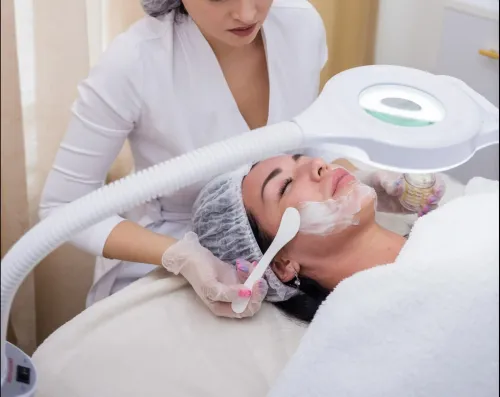
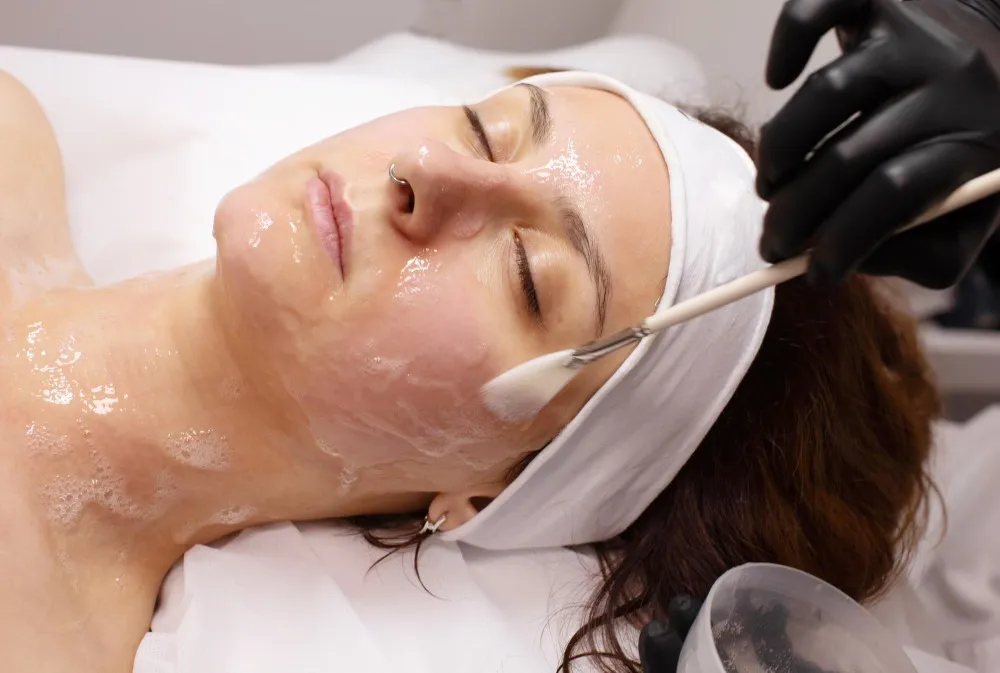
A chemical peel involves applying a carefully selected solution to the skin for controlled exfoliation.
The depth of action varies according to factors such as the peeling agent, concentration, application technique, skin condition, and intended outcome.
Peels may broadly be categorised as superficial, medium, or deeper procedures. Not every depth is suitable for every person.
Superficial peels are commonly considered for concerns affecting the outer layers of the skin, while stronger procedures require considerably more careful patient selection and aftercare.
Concerns That May Respond to Chemical Peels
Depending on the formulation, chemical peels may be considered for concerns such as:
- Dull-looking skin
- Certain forms of superficial pigmentation
- Uneven tone
- Mild textural irregularities
- Acne-prone skin
- Post-acne marks
- Signs of photodamage
However, a peel is not automatically appropriate for every pigmentation problem or acne scar.
Deep scars, for instance, may require treatments that target deeper layers of the skin rather than surface exfoliation alone.
Why Skin Type Matters
Indian skin can be susceptible to post-inflammatory hyperpigmentation when irritation is excessive. This makes appropriate peel selection particularly important.
Dr. Purva may evaluate the patient’s skin type, active concerns, sensitivity, previous reactions, current medications, skin-care products, and history of pigmentation before recommending treatment.
Patients should also disclose recent cosmetic procedures and the use of strong topical ingredients.
Preparation Can Influence the Experience
Depending on the type of peel, a dermatologist may recommend adjusting certain products before treatment.
Patients should avoid independently combining multiple exfoliating acids, scrubs, retinoids, or other irritating products around the procedure unless specifically advised.
After treatment, the skin may temporarily feel dry, tight, sensitive, or appear mildly red depending on the peel used.
Picking or manually removing peeling skin should generally be avoided because unnecessary irritation can increase the possibility of pigmentation.
Sun Protection Becomes Especially Important
Freshly treated skin needs appropriate protection from ultraviolet exposure.
Regular broad-spectrum sunscreen, sensible sun avoidance, and the prescribed aftercare routine are therefore important following treatment.
This is particularly relevant in sunny urban environments where incidental exposure can occur during commuting and everyday activities.
Peels Should Match the Diagnosis
One of the biggest mistakes is choosing a peel because it is trending online rather than because it matches the skin concern.
At Nucleus Eye And Skin Clinic, dermatologist-led assessment can help determine whether a peel is suitable, what intensity may be appropriate, and whether another procedure would better address the problem.
When used selectively, chemical peels can be valuable components of a broader dermatological plan. Their effectiveness depends less on choosing the strongest formulation and more on matching the treatment to the individual’s skin, concern, tolerance, and recovery needs.
Keywords