Healthy skin plays an important role in both appearance and overall well-being. However, conditions such as acne, pigmentation, eczema, fungal infections, hair loss, and nail disorders often require more than over-the-counter products to achieve lasting improvement. Consulting a qualified dermatologist ensures that these concerns are accurately diagnosed and treated with evidence-based care.
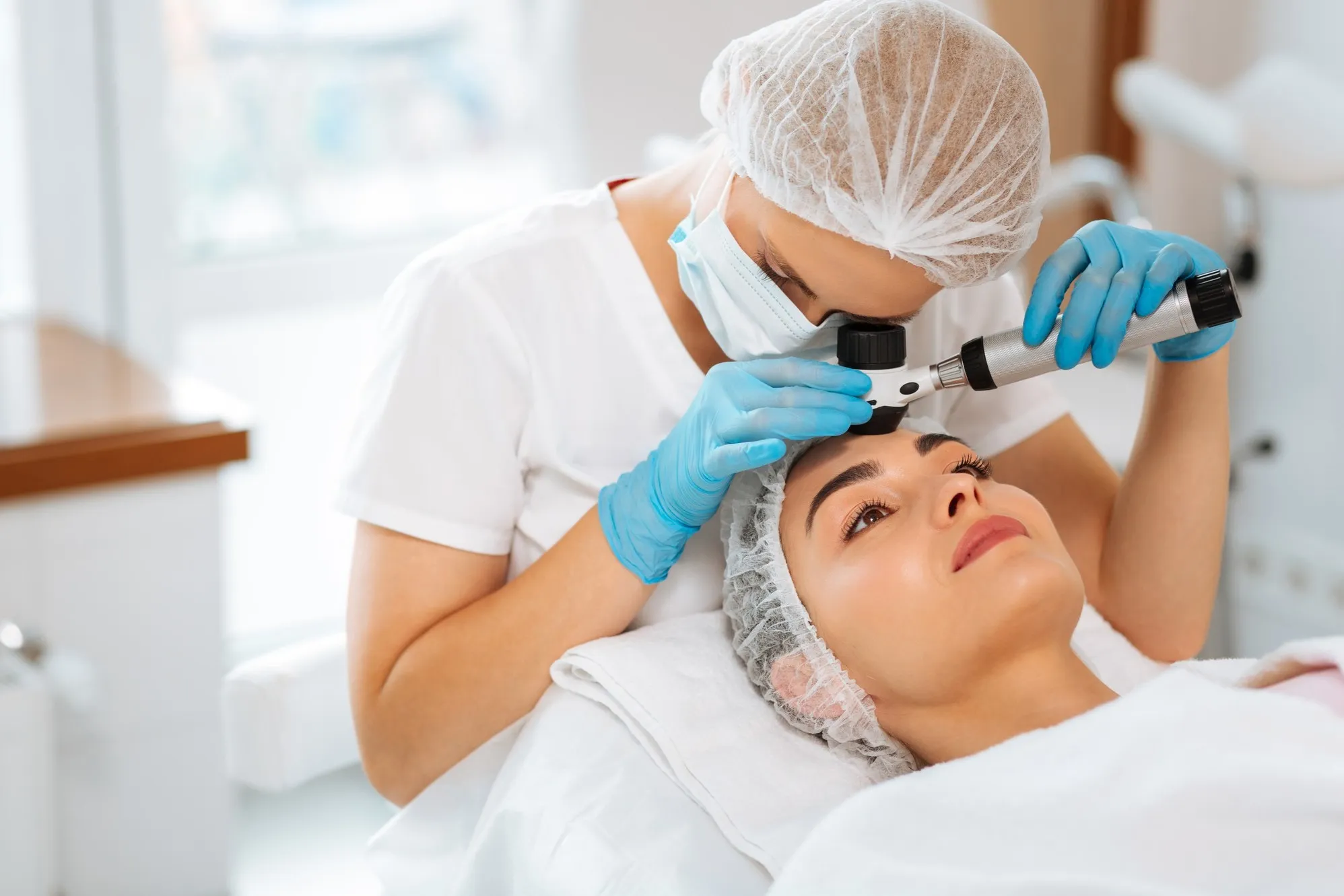
A dermatologist specializes in identifying the root cause of skin, hair, and nail problems and creating a personalized treatment plan based on an individual's skin type, medical history, and lifestyle.
Common Conditions a Dermatologist Treats
Dermatologists diagnose and manage a wide variety of concerns, including:
- Acne and acne scars
- Pigmentation and melasma
- Eczema and dermatitis
- Psoriasis
- Fungal skin infections
- Hair fall and scalp disorders
- Dandruff
- Nail infections
- Skin allergies
- Warts, moles, and skin tags
Many of these conditions may appear similar, making professional diagnosis essential before beginning treatment.
When Should You See a Dermatologist?
Ignoring skin concerns can sometimes lead to permanent scarring, recurring infections, or worsening symptoms. It is advisable to consult a dermatologist if you experience:
- Acne that persists despite skincare products
- Dark spots that continue spreading
- Continuous itching or skin irritation
- Hair thinning that lasts for several weeks
- Frequent fungal infections
- Unexplained skin rashes
- Rapid changes in moles or skin growths
Seeking treatment early often results in faster recovery and better long-term outcomes.
Why Self-Diagnosis Can Be Misleading
Many skin disorders share similar symptoms. For example, redness may be caused by eczema, rosacea, allergic reactions, or fungal infections. Treating the wrong condition can delay healing and sometimes worsen the problem.
A dermatologist evaluates several factors before recommending treatment, including:
- Skin type
- Medical history
- Lifestyle habits
- Current medications
- Family history
- Environmental triggers
This detailed assessment allows for an individualized treatment plan instead of relying on trial-and-error solutions.
Modern Dermatology Offers Advanced Treatment Options
Dermatology today combines medical expertise with advanced technologies to address both health-related and cosmetic concerns.
Depending on the diagnosis, treatment may include:
- Prescription medications
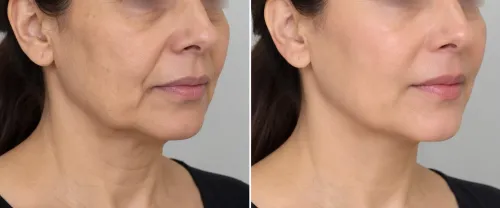
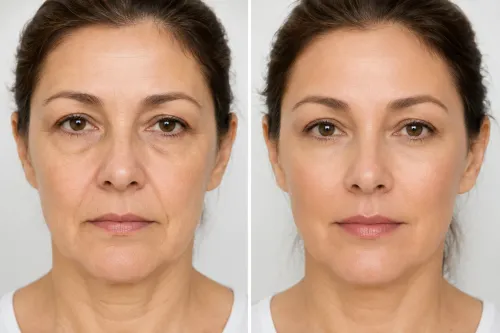
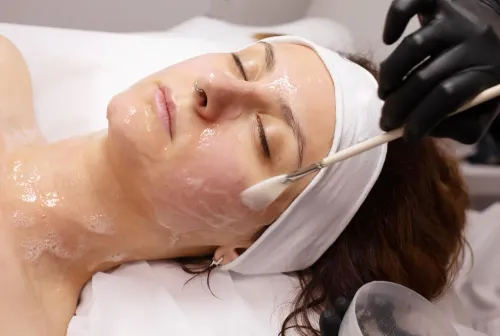
- Chemical peels for pigmentation and acne marks
- PRP therapy for hair loss
- CO2 laser treatment for acne scars
- Q Switch laser for pigmentation
- Skin brightening treatments
- Botox and fillers for selected aesthetic concerns
Each treatment is recommended only after a thorough clinical evaluation.
Daily Habits That Support Healthy Skin
Professional treatment works best when combined with a good skincare routine.
Some healthy practices include:
- Cleanse your face gently twice daily.
- Apply sunscreen every morning.
- Avoid touching or picking acne.
- Stay hydrated throughout the day.
- Eat a balanced diet rich in vitamins.
- Use products suitable for your skin type.
- Schedule regular skin check-ups if you have chronic skin conditions.
These habits help maintain healthier skin and reduce future problems.
Choosing the Right Dermatologist
Selecting an experienced dermatologist ensures accurate diagnosis, safe treatment, and realistic expectations. Look for a clinic that offers comprehensive dermatology services, modern treatment options, and individualized care rather than one-size-fits-all solutions.
People looking for a Dermatologist in Bandra often seek medical expertise combined with personalized care for both skin health and cosmetic concerns. At Nucleus Eye And Skin Clinic, Dr. Purva carefully evaluates every patient's skin, hair, and nail condition before recommending a customized treatment plan. Whether treating acne, pigmentation, hair loss, or chronic skin disorders, the focus remains on achieving healthy, long-lasting results through evidence-based dermatology.
Keywords