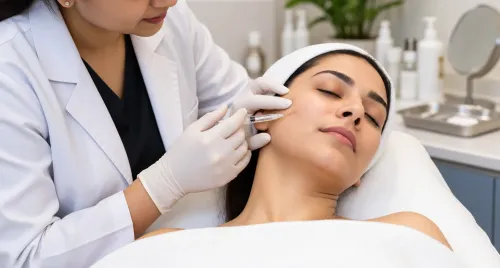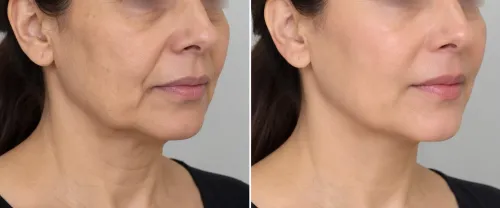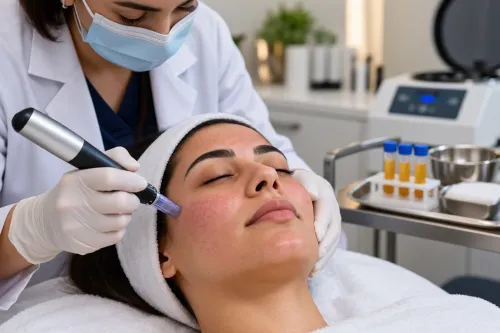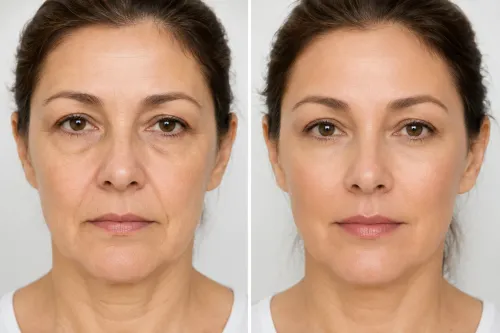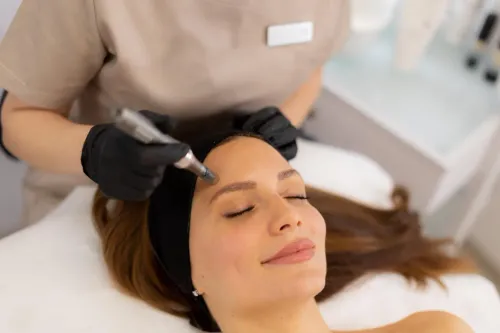

When skin looks dull or uneven, it can be tempting to search for the fastest skin brightening treatment available. Yet “brightness” is not a medical diagnosis. Dullness may result from tanning, pigmentation, acne marks, dryness, accumulated sun damage, or uneven texture, and each cause can require a different approach.
For patients in Juhu, Maharashtra, professional assessment can help determine what is actually creating the uneven appearance before treatment begins.
Start by Identifying the Cause
A dermatologist may examine whether the concern involves:
- Post-acne pigmentation
- Sun-related pigmentation
- Melasma-like changes
- Uneven texture
- Dryness
- Tanning
- Inflammation
- Age-related changes
- A combination of several factors
This step is important because using unsuitable brightening products on sensitive or inflamed skin may worsen irritation.
Look for a Diagnosis-Based Plan
A reliable skin brightening treatment should not promise to change a person’s natural skin colour.
Instead, appropriate dermatological care generally focuses on concerns such as excess pigmentation, uneven tone, photodamage, or dull texture.
Depending on the diagnosis, Dr. Purva may discuss topical skin care, sun protection, chemical procedures, device-based treatments, or other suitable approaches.
Check Whether Your Skin Is Ready
Active irritation, uncontrolled acne, infection, recent tanning, or a damaged skin barrier may influence when certain procedures should be performed.
Patients should disclose the products they currently use, particularly exfoliating acids, retinoids, bleaching products, and other strong actives.
This information helps reduce unnecessary irritation from overlapping treatments.
Avoid Common Brightening Mistakes
Several habits can undermine attempts to improve uneven tone.
These include:
- Using multiple strong acids simultaneously
- Frequently changing products
- Applying unverified lightening creams
- Skipping sunscreen
- Scrubbing pigmented areas aggressively
- Expecting pigmentation to disappear after one session
- Selecting procedures without identifying the pigmentation type
Pigmentation can be persistent, and some forms have a tendency to recur.
Ask About Maintenance
Aesthetic improvement does not necessarily mean the underlying tendency toward pigmentation has disappeared.
Maintenance may involve sun protection, appropriate home care, avoiding known triggers, and periodic dermatological review.
This is especially relevant in climates with substantial year-round ultraviolet exposure.
Broad-spectrum sunscreen is one of the most important components of many pigmentation-management plans.
Choose Clinical Care Over Colour-Based Promises
Marketing phrases such as permanent whitening or instant fairness should be treated cautiously.
Healthy dermatological treatment should aim for appropriate management of pigmentation and skin quality rather than promoting unrealistic changes to natural complexion.
At Nucleus Eye And Skin Clinic, Dr. Purva can assess the type and likely cause of uneven tone before recommending treatment.
The best skin brightening treatment is therefore not necessarily the strongest peel, laser, or cream. It is the approach that correctly identifies the underlying concern, respects the patient’s natural complexion, protects the skin barrier, and provides realistic expectations about improvement and maintenance.
Keywords