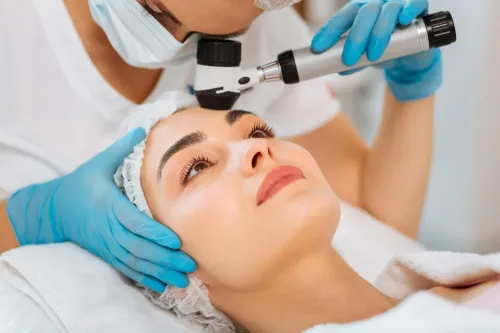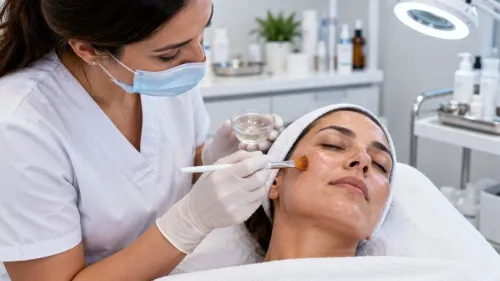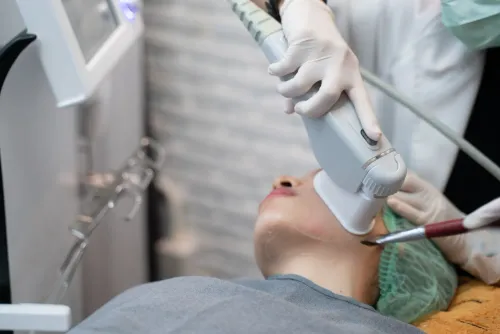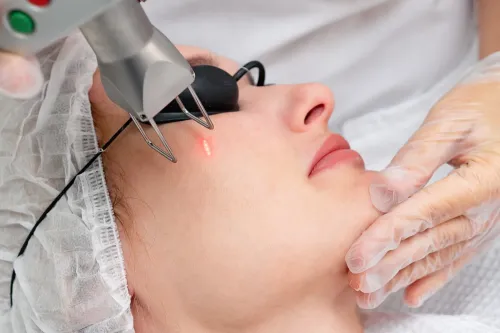
A vampire facial is not one standardized treatment: clinics can use PRP or PRF, microneedling or injections, and different preparation methods. By comparing the delivery method, medical risks, evidence, and your actual skin concern, you can decide whether it fits better than a peel, laser, booster, filler, or microneedling alone.
Key takeaways
- Confirm whether PRP will be injected, microneedled, or used in both ways.
- Check your medical history, medications, skin condition, and infection risk before treatment.
- Choose the procedure for a specific concern, not a vague promise of rejuvenation.
- Ask the clinic to explain evidence, risks, recovery, sterility, and expected results.
What happens during a vampire facial—and what PRP can realistically do
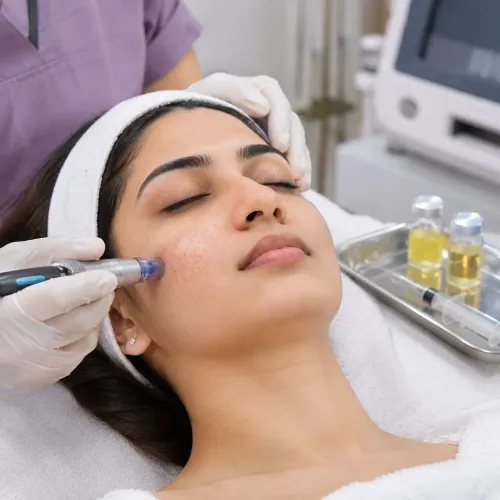
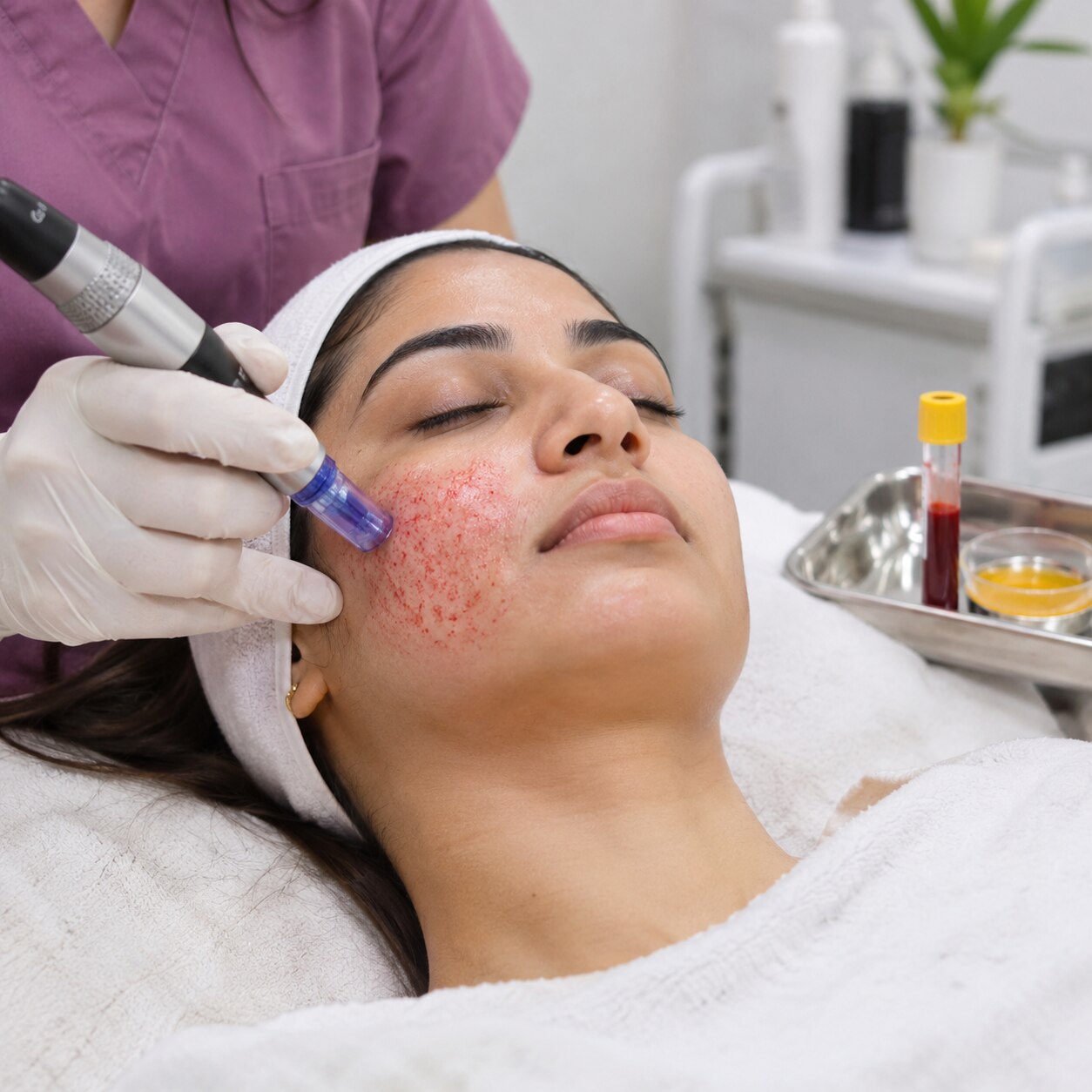
A vampire facial usually combines your own platelet-rich plasma (PRP) with microneedling, rather than delivering PRP as a standalone injection. The process commonly follows these steps:
- A clinician draws a small blood sample.
- A centrifuge or preparation system separates platelet-rich plasma from other blood components.
- Numbing cream reduces discomfort.
- A microneedling device creates controlled punctures, followed by PRP application; some protocols inject PRP instead. Some clinics use platelet-rich fibrin (PRF), a related preparation with a different processing method.
The delivery method changes the treatment experience and its purpose:
| Option | How it is delivered | Main difference |
|---|---|---|
| PRP facial | PRP is applied after microneedling or introduced through the microchannels | Targets overall texture, fine lines and acne-scar appearance; causes pinpoint bleeding, redness and short-term sensitivity |
| PRP injection treatment | PRP is placed with a needle into selected areas or deeper skin layers | More targeted and potentially more uncomfortable; creates injection-site swelling and bruising rather than uniform microneedling irritation |
PRP contains plasma and platelets that release signalling proteins involved in tissue repair. It does not contain hyaluronic acid or another volumising material, so it is not a dermal filler and will not create immediate facial volume.
Expect gradual, modest changes in texture, dullness, fine lines or early acne scarring—not a facelift. Studies remain small and use inconsistent preparation methods and schedules, so results and durability are difficult to predict.
Check whether your health and skin make treatment appropriate
A vampire facial candidate should have no active problem in the treatment area and no medical reason to make blood collection or skin injury unsafe.
Postpone elective treatment during pregnancy and breastfeeding because safety data for cosmetic PRP and microneedling are inadequate; this is a precaution, not evidence that your own blood is toxic to a fetus.
Before drawing blood, the practitioner should review:
- Active skin infection, cold sores, uncontrolled inflammatory acne, eczema, or psoriasis. Treat these first; puncturing inflamed or infected skin can spread infection, trigger herpes reactivation, or worsen inflammation.
- Bleeding disorders, easy bruising, low platelet counts, anaemia, and medicines that increase bleeding. Tell them about aspirin, clopidogrel, warfarin, apixaban, rivaroxaban, and supplements such as fish oil or high-dose vitamin E. Never stop blood thinners for a cosmetic procedure without instructions from the prescribing clinician.
- Previous poor wound healing or keloid scars. Microneedling and injections can leave prolonged inflammation or raised scars in susceptible skin.
- A history of dark marks after cuts, burns, or acne. Darker skin tones have a higher risk of post-inflammatory hyperpigmentation after skin injury, so needle depth, settings, and aftercare need individual adjustment; aggressive treatment can worsen pigment.
Delay or avoid the procedure if these concerns cannot be controlled.
Match the treatment to the problem you want to correct
PRP makes more sense when you want gradual improvement in early skin ageing, acne scars or mild textural change, rather than immediate volume, lifting or a dramatic pigment correction. It is an add-on or alternative to controlled skin injury, not a replacement for every resurfacing treatment.
| Option | Best match | When it makes more sense than PRP |
|---|---|---|
| Microneedling | Mild acne scars, fine lines and uneven skin texture | Choose it when collagen stimulation is the goal and adding blood-derived PRP offers no clear extra benefit. |
| Skin boosters | Dehydrated, crepey skin needing hydration and glow | Choose them when hydration is the main concern; PRP does not provide immediate moisture or volume. |
| Chemical peels | Surface dullness, selected pigmentation and superficial acne marks | Choose a peel when controlled exfoliation targets the problem more directly, after assessing melasma and pigmentation risk. |
| Lasers | Deeper acne scars, pronounced sun damage, vascular marks or stronger resurfacing | Choose a laser when a defined device-based correction is appropriate; darker skin needs settings that reduce post-inflammatory hyperpigmentation risk. |
| Dermal fillers | Hollowing, lost volume and facial contour | Choose fillers when you need immediate structural support. PRP is not a filler and will not restore cheek or tear-trough volume. |
| PRP | Early fine lines, mild texture change and acne-scar appearance | Choose it when you accept gradual, modest change and want an autologous treatment without adding filler volume. |
Melasma needs caution: PRP is not a first-line pigment treatment, and any needling can worsen pigmentation if settings or aftercare are aggressive. Ask whether the proposed device is cleared for the stated skin concern; clearance for microneedling does not approve injecting PRP or other products.
Understand the risks, recovery, and limits of the evidence
Expect redness, swelling, tenderness, pinpoint bleeding and bruising after treatment. PRP facial recovery commonly takes one to several days, while dryness, peeling or temporary sensitivity can last longer. Autologous blood reduces allergy risk, but skin penetration and injections can still cause infection, herpes reactivation, prolonged inflammation, scarring or post-inflammatory hyperpigmentation.
Before booking, verify these safety points:
- The clinic uses a sterile, single-use microneedling cartridge, disinfects the treatment area, and explains how blood is collected, labelled and discarded.
- Ask for the exact device name and indication. An FDA-cleared microneedling device may be cleared for facial acne scars or wrinkles, but that does not mean it is FDA-approved to deliver PRP, cosmetics, drugs or blood products into skin.
- Tell the clinician if you are pregnant or breastfeeding; cosmetic PRP and microneedling lack adequate safety data for these groups, so defer elective treatment.
- If you have darker skin, ask how needle depth, energy and aftercare will be adjusted to reduce pigment changes. More aggressive treatment is not automatically better.
The evidence for facial rejuvenation remains limited. Studies are small, use different platelet-preparation methods and schedules, and often measure results through subjective ratings or short follow-up. Treat claims of guaranteed tightening, scar removal or lasting results as marketing, not a predictable outcome.
Use a clinic consultation to test the protocol, not the marketing
Ask the clinic to describe its protocol in operational terms, not promise “glow”: who performs it, what is delivered, how blood is handled, and what result is realistic. A dermatologist consultation should happen before payment, with your skin concern, medicines, bleeding history and alternatives documented.
| Question | A useful answer | Warning sign |
|---|---|---|
| Who performs the treatment? | Named dermatologist or qualified clinician, with supervision stated | Staff cannot identify the treating clinician |
| How is the PRP preparation made? | Blood volume, processing system, tube type, spin steps, and whether it is PRP or PRF | “Our secret formula” |
| What does “high platelet” mean? | Measured platelet concentration, leukocyte and red-cell content, and whether activation is used | Guaranteed concentration without testing |
| What touches my skin? | A sterile single-use cartridge opened in front of you; documented disinfection and sharps disposal | Reused cartridge, open blood tubes, or a salon setting |
| How is it delivered? | Microneedling, topical application, or injections, with depth, numbing and downtime explained | One label used for different procedures |
| What supports this schedule? | Number of sessions, interval, follow-up and evidence limits explained | Guaranteed permanent rejuvenation or a one-session result |
FDA-cleared microneedling means a device has a defined clearance, not that the FDA approved the entire PRP protocol. Ask Dr Purva Nucleus Eye And Skin Clinic to separate device clearance from its own preparation and delivery choices before comparing clinics.
Related service
Cosmetic Procedures Platelet-Rich Plasma (PRP) therapy is a procedure that uses components of your own blood to stimulate hair growth . View service → |
Frequently asked questions
What happens during a vampire facial?
A vampire facial commonly combines blood collection and platelet-rich plasma preparation with microneedling. The clinician applies or delivers the PRP during the procedure, depending on the protocol.
Who should check with a clinician before choosing PRP microneedling?
Discuss treatment with a qualified clinician if you have an active skin infection, poor wound healing, a blood disorder, medication-related bleeding risk, or another relevant medical condition.
What skin concerns can a vampire facial address?
PRP with microneedling is considered for concerns such as fine lines, uneven texture, acne-scar appearance, and some changes in skin quality. Results depend on the concern and treatment plan.
What should you ask a clinic before booking a vampire facial?
Ask which PRP protocol they use, how the blood is handled, who performs each step, what risks and downtime to expect, how many sessions may be needed, and what evidence supports the proposed result.