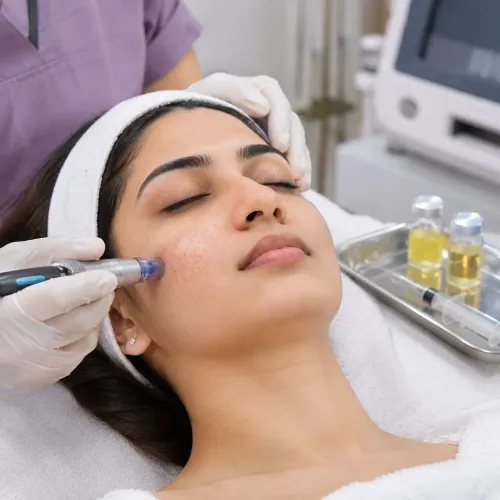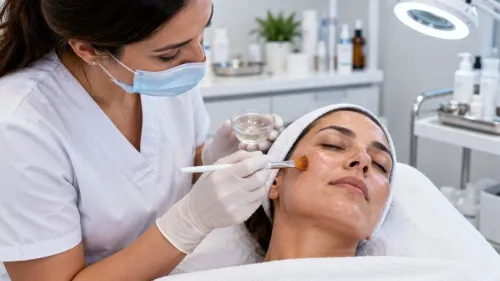
A facial is not one fixed treatment: cleansing, exfoliation, extraction, masking and massage all need to change when your skin is oily, dry, reactive, acne-prone or pigment-prone. By matching the steps to your current skin condition and the result you want, you can choose a useful facial, avoid unnecessary irritation and recognise when medical treatment is the better option.
Key takeaways
- Assess your skin 30 to 60 minutes after cleansing.
- Choose a facial for one specific concern, not several unrelated goals.
- Check active rashes, infections, medicines, and recent procedures before exfoliation.
- Plan downtime, sun protection, and skincare changes around the result you want.
Start with your current skin condition, not a facial menu
Choose facial steps from what your skin is doing today, not from a menu labelled “hydrating” or “deep cleansing.” Wash with a gentle cleanser, apply nothing, and assess after 30 to 60 minutes: tightness and flaking suggest dry skin; widespread shine suggests oily skin; shine on the forehead, nose and chin with drier cheeks suggests combination skin.
Dehydration can occur with any of these patterns.
| Observation | What it suggests | Safer starting point |
|---|---|---|
| Dryness, scaling or tightness | Reduced water and lipid content | Gentle cleansing, fragrance-free moisturiser, no abrasive scrub |
| Shine, congestion or frequent comedones | Higher oil production | Mild cleansing and carefully limited exfoliation |
| Mixed shine and dry cheeks | Combination skin | Different products or steps by facial zone |
| Stinging, burning, flushing or persistent redness | Reactivity or sensitive skin barrier problems | Skip heat, fragrance, scrubs and strong acids |
Treat “sensitive skin” as a current reactivity state, not a permanent type. Postpone exfoliation over eczema, cracked skin, open erosions, significant dermatitis or infection; repair the barrier with gentle cleansing and moisturiser first. Rosacea-prone skin needs low-heat treatment, because steam, hot water, vigorous massage and alcohol-containing products can trigger burning.
Tell the practitioner about pregnancy or breastfeeding, retinoids, hydroquinone, isotretinoin, photosensitising medicines, cold sores, keloids and previous darkening after procedures. A “natural” facial is not automatically safe. Test any proposed peel or leave-on product against your history, not just your oiliness.
Match the facial to the concern you want to change
Choose the least aggressive approach that addresses the problem. A facial can improve surface buildup and hydration, but it cannot replace medical treatment for inflammatory acne, melasma, or acne scars.
| Concern | Suitable facial approach | Avoid or add |
|---|---|---|
| clogged pores | Gentle cleansing, salicylic-acid exfoliation and professional extraction of selected blackheads or whiteheads | Do not squeeze deep lesions; poor technique can cause inflammation and post-acne marks. |
| active acne | Calming, non-comedogenic cleansing and moisturising alongside evidence-based acne treatment | Skip aggressive scrubs, brushes and frequent exfoliation; nodules, cysts and pustules need medical care. |
| post-acne marks | Controlled brightening treatment with strict broad-spectrum sunscreen | Irritation can deepen pigmentation. |
| acne scars | A facial will not remodel depressed or raised scars; seek a procedure assessment | Do not expect extraction or microdermabrasion to correct scars. |
| melasma | Gentle brightening care plus daily broad-spectrum sunscreen; tinted sunscreen with iron oxides helps shield visible light | Review acids and bleaching agents before treatment. |
| redness | Fragrance-free, cooling, barrier-supportive care with minimal massage and no heat | Defer exfoliation during rosacea, eczema or dermatitis flares. |
| dehydration | Humectant serum, moisturiser and a soothing mask; limit exfoliation | Acids can worsen a damaged barrier. |
| dullness | Mild exfoliation followed by moisturiser and sunscreen | Over-exfoliation can produce sensitivity. |
| fine lines | Hydration and gentle resurfacing can soften surface lines temporarily | Deeper lines need treatments beyond a facial. |
| enlarged pores and rough texture | Salicylic acid for oil-filled pores or carefully selected superficial exfoliation | Microdermabrasion removes surface dead cells but does not treat active inflammatory disease. |
Know when a facial is the right level of treatment
A conventional facial is the right level when you want cleansing, gentle exfoliation, a mask, moisturiser and sunscreen, without treating a deeper skin problem. It will not replace medical acne treatment or correct volume loss.
| Option | What it means | When it applies |
|---|---|---|
| Conventional facial | Surface care with limited downtime | Dullness, mild dehydration or maintenance; aggressive scrubbing can irritate acne |
| Comedone extraction | Controlled removal of selected blackheads and whiteheads | Congested pores; never squeeze painful nodules or cysts, which increases marks and scarring |
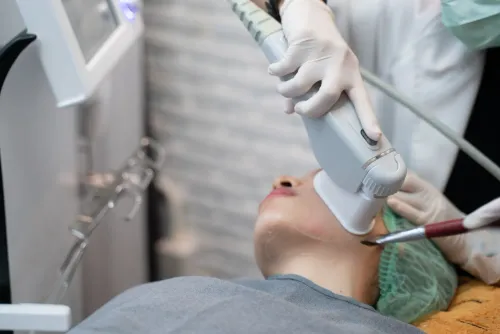
| Microdermabrasion | Mechanical removal of some surface dead skin | Rough texture or mild dullness; postpone it over inflamed, infected or highly reactive skin |
| Chemical peel | An acid-selected treatment whose depth depends on acid, concentration, area and history | A salicylic acid peel may suit selected acne or oily skin; deeper peels bring longer healing and higher pigment, scarring and infection risks |
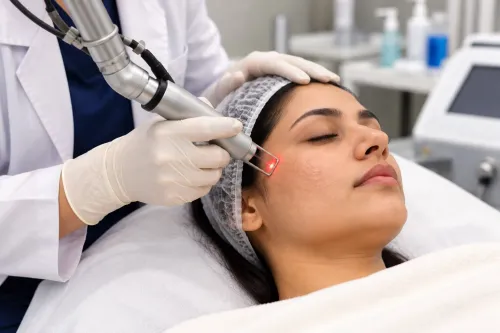
| Carbon facial | Carbon mask followed by laser-based surface treatment | Temporary brightness or oil reduction, not a substitute for acne or melasma treatment |
| Laser toning | Repeated low-intensity laser sessions targeting uneven pigment | Selected pigmentation concerns; heat and irritation can worsen melasma or trigger pigment changes |
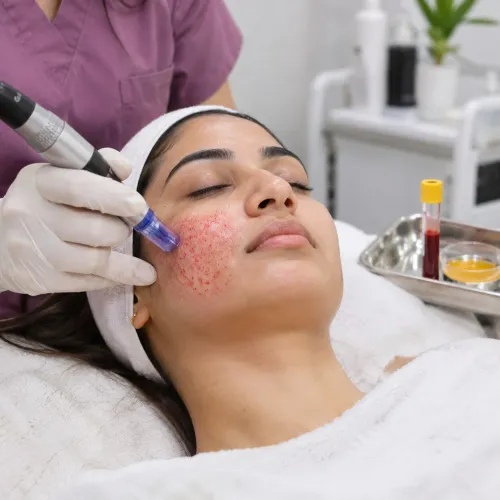
| Skin boosters | Injectable hyaluronic acid or similar products placed superficially | Dehydration and fine texture; involves needles and injection risks |
| Fillers | Injectable gel that restores or adds volume | Hollowing or contour loss, not enlarged pores, acne or surface dullness |
If you have darker skin, melasma or a history of post-inflammatory marks, choose conservative settings and strict sun protection. Persistent inflammatory acne needs evidence-based treatment rather than increasingly strong facials.
Complete this safety check before booking exfoliation or procedures
Postpone exfoliation over an active eczema flare, cracked skin, open erosions, significant dermatitis, or an active infection. Disclose these conditions before booking, because acids, scrubs, heat, and fragrance can worsen barrier damage and delay healing.
| History or recent event | Why it changes the decision |
|---|---|
| Cold sores | Resurfacing or needling can trigger a recurrence; ask whether preventive treatment is needed. |
| Keloid scars or abnormal pigmentation | Injury can produce raised scars, dark marks, or light patches. |
| Recent isotretinoin use | Healing and procedure timing require medical review. |
| Recent waxing | Waxing can leave microscopic skin injury; exfoliation over it increases irritation. |
| Sun exposure or sunburn | Recently exposed or burned skin is more reactive and pigment-prone. |
| Pregnancy or breastfeeding | Retinoids, hydroquinone, leave-on acids, prescription medicines, and essential oils need review. |
| Medicines and products | Report retinoids, photosensitising medicines, irritating acne treatments, steroids, and bleaching agents. |
Also mention bleeding disorders, diabetes, immune problems, allergies, and previous reactions to peels or anaesthetic. Persistent papules, pustules, nodules, or cysts need acne treatment rather than aggressive scrubbing or frequent exfoliation.
At Dr Purva Nucleus Eye And Skin Clinic, bring a complete product and medicine list and state when you last waxed, had strong sun exposure, or developed a cold sore. Do not assume a “natural” facial is safe, and do not intensify facials to manage melasma: irritation, heat, and rubbing can deepen pigmentation.
Related services
Cosmetic Procedures Acne treatment with chemical peels Chemical peels are a powerful, customizable treatment for facial rejuvenation, including issues like acne scars, hyperpigmentation, fine lines, sun... View service → |
Facial Rejuvenation and Anti-aging Skin Boosters for improved skin quality. Skin boosters aim at restoring a youthful appearance, improve skin texture, reduce fine lines and maximise hydration of your skin . View service → |
Build the treatment and recovery plan around your result
Choose the least aggressive option that can address the concern, especially if you have darker skin, melasma, or a history of post-inflammatory hyperpigmentation. Increase intensity only after your skin tolerates the previous level without prolonged burning, crusting, or new dark or light patches from hyperpigmentation or hypopigmentation.
| Situation | Treatment intensity | Recovery and maintenance |
|---|---|---|
| Low pigment risk, mild dullness | Gentle exfoliation and hydration; avoid escalation after one visit | Moisturiser and broad-spectrum sunscreen; repeat when skin is calm |
| Darker tone or marks easily | Conservative peel or non-ablative plan with an experienced operator; pretreatment when indicated | Tinted sunscreen with iron oxides for visible-light protection, strict sun protection, and review before increasing intensity |
| Melasma or active irritation | Prioritise pigment control and barrier repair; avoid heat, aggressive rubbing, and repeated strong facials | Daily broad-spectrum sunscreen; prescribed medical therapy; procedures only cautiously |
| Limited recovery time | Choose a non-peel facial or postpone treatment | Avoid new actives, waxing, and picking until redness and stinging stop |
Aftercare is part of the treatment, not an optional finish. Use the recommended cleanser and moisturiser, avoid scrubs, retinoids, and acids until your barrier has recovered, and apply sunscreen every morning. Arrange maintenance by response, not a fixed calendar: book the next session when the benefit fades and your skin is fully settled.
Frequently asked questions
How should you assess your skin before choosing a facial?
Cleanse with a gentle cleanser, apply nothing, and assess your skin after 30 to 60 minutes. Tightness and flaking suggest dryness, widespread shine suggests oiliness, and a shiny forehead, nose and chin with drier cheeks suggests combination skin.
How do you match a facial to a skin concern?
Choose the treatment based on the change you want, such as improving dehydration, excess oil, clogged pores, uneven tone, or rough texture. Avoid choosing from a facial name alone because similar labels can involve different ingredients and techniques.
When is a facial the right level of treatment?
A facial suits surface concerns that do not require diagnosis or medical treatment. Seek a dermatologist when you have persistent acne, painful lesions, pigmentation that is changing, eczema, rosacea, infection, or scarring.
What should you check before booking exfoliation or procedures?
Tell the provider about rashes, cold sores, skin infections, allergies, pregnancy, isotretinoin, retinoids, recent waxing, sunburn, peels, lasers, and other procedures. Postpone treatment when skin is inflamed, infected, sunburned, or healing.
How should you plan recovery after a facial?
Ask about redness, peeling, sun exposure, exercise, makeup, and when to restart active products. Use gentle cleansing, moisturiser, and broad-spectrum sunscreen while your skin recovers.
Related service
Lasers Laser toning is a non-invasive, low-energy laser treatment used to gently rejuvenate the skin and treat pigmentation, melasma, uneven skin tone,... View service → |