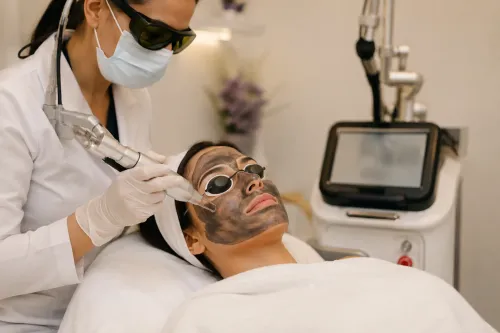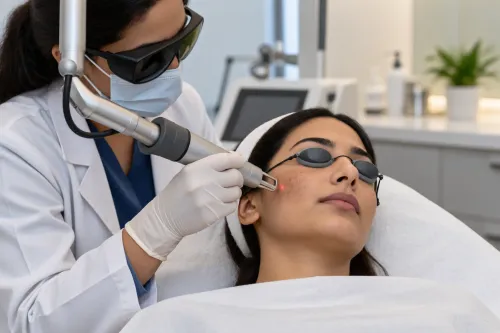
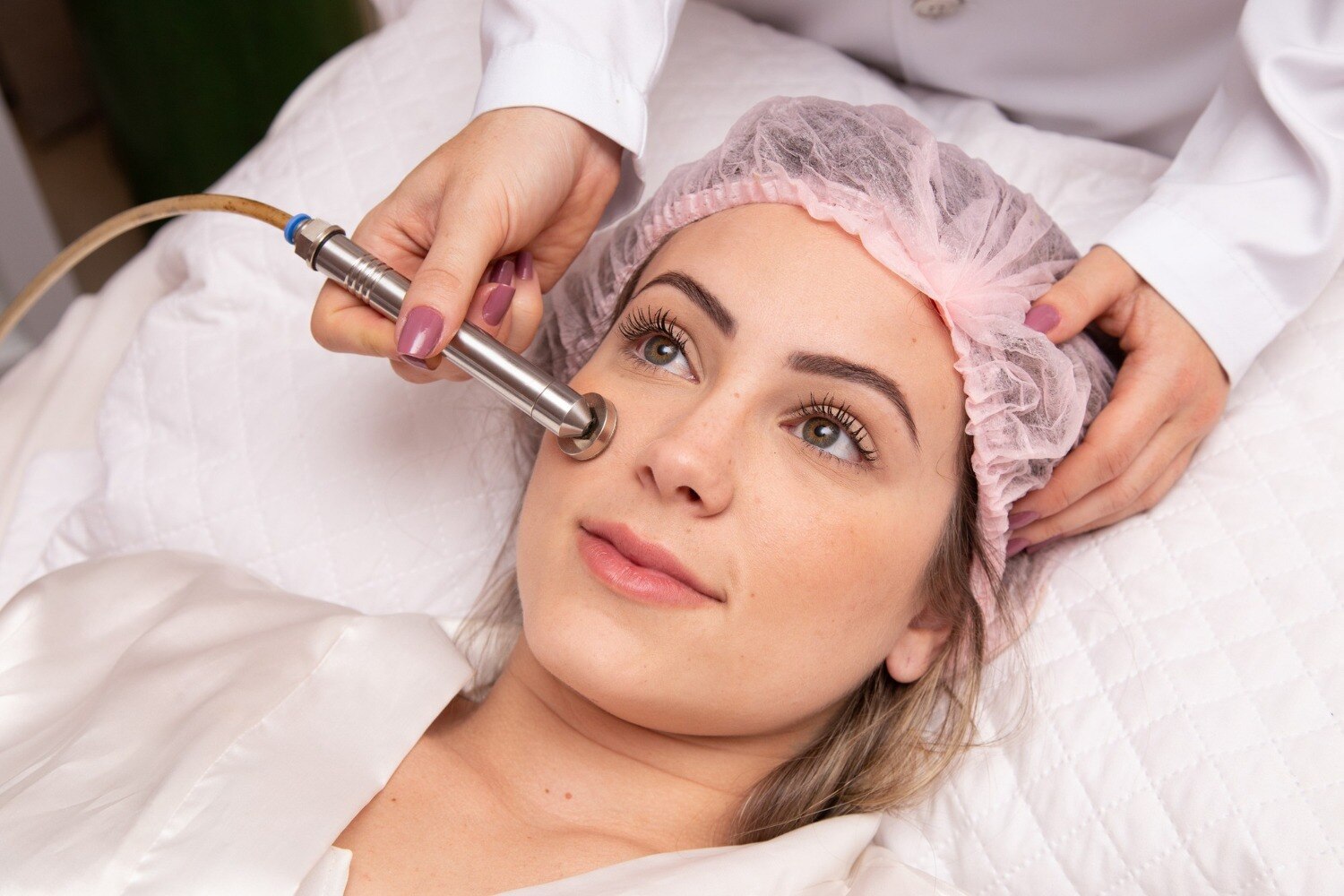
Uneven tone, enlarged pores, roughness, fine lines and acne scars rarely respond well to one universal procedure. By matching the treatment to the specific problem, your skin type and your tolerance for downtime, you can compare realistic options and build a safer plan for visible and lasting improvement.
Key takeaways
- Match treatment to your concern: pigment, texture, redness, scars, or laxity.
- Share medications, allergies, skin conditions, and recent tanning before treatment.
- Follow the exact aftercare plan, including sunscreen and temporary product restrictions.
- Plan sessions around healing time; results develop as treated skin recovers.
Which treatment matches your skin concern?
Choose by the problem you want to change, not by the treatment’s popularity.
| Option | Best suited to | Limits and trade-offs |
|---|---|---|
| Skin boosters | Hydration, dullness and fine lines caused by dryness | Improve skin feel and glow; do not remove scars or reliably treat brown pigment |
| Laser toning | Mild brown spots, uneven tone and some redness | Results depend on device and settings; melasma can worsen without careful selection |
| Chemical peels | Surface roughness, dullness, mild acne and post-inflammatory marks | Peeling strength controls downtime; deeper scars and severe pigment need another approach |
| Retinoids | Pores that look prominent, fine lines, acne and gradual texture improvement | Require consistent use and can irritate; they do not instantly close pores |
| Prescription pigment treatments | Melasma, post-inflammatory hyperpigmentation and defined brown patches | Need a diagnosis and monitoring; treating the wrong lesion delays care |
| Microneedling | Microneedling for acne scars and texture, fine lines and mild pore visibility | Usually needs a series; active infection, poor healing or keloid tendency require caution |
| Fractional resurfacing | Rough texture, fine lines and selected shallow scars | Ablative devices give stronger change with more downtime; non-ablative devices recover faster but produce subtler results |
Pores cannot be permanently erased because sebum, follicular plugging, elasticity and genetics control their visibility. Rolling, boxcar and ice-pick scars also need different strategies; routine resurfacing will not correct every scar.
Fractional resurfacing and microneedling can cause redness, swelling, peeling or pigment change. Darker skin needs conservative settings, strict sun protection and sometimes a test spot, especially after tanning.
How does a consultation determine the safest option?
A safe choice starts with a diagnosis, not a device. The clinician should examine your skin type, pigmentation pattern, acne activity, scar depth, sensitivity, recent tanning, previous procedures, medication use and history of abnormal scarring. Ask what outcome is realistic and what pigmentation risk applies to you.
| Finding | Why it changes treatment | Safer planning |
|---|---|---|
| Darker skin or recent tan | Some lasers and IPL carry higher burn and post-inflammatory hyperpigmentation risk | Use conservative settings, strict photoprotection and a test spot when appropriate |
| Melasma or recurring brown patches | Heat, sunlight and visible light can worsen melasma | Consider pigment-directed treatment and avoid aggressive procedures without a maintenance plan |
| Active acne, infection or dermatitis | Treatment can spread inflammation and further disrupt the skin barrier | Control the active condition before resurfacing or exfoliation |
| Sensitive skin or irritating medicines | Peels, retinoids and energy devices can trigger prolonged redness or dermatitis | Review every product and medicine, then build in recovery time |
| Deep scars or abnormal scarring history | Surface treatments cannot recreate unscarred skin, and healing may be unpredictable | Set a realistic endpoint and choose lower-risk methods when needed |
| A changing or unexplained pigmented lesion | Cosmetic treatment could delay diagnosis | Examine or refer it before rejuvenation |
At Dr Purva Nucleus Eye And Skin Clinic, ask the clinician to record the diagnosis, proposed settings or peel strength, test-spot plan, spacing between procedures and response plan for infection or pigment change. Combining treatments too closely is not automatically better; barrier recovery must guide the schedule.
Related services
Facial Rejuvenation and Anti-aging Skin Boosters for improved skin quality. Skin boosters aim at restoring a youthful appearance, improve skin texture, reduce fine lines and maximise hydration of your skin . View service → |
Lasers Laser toning is a non-invasive, low-energy laser treatment used to gently rejuvenate the skin and treat pigmentation, melasma, uneven skin tone,... View service → |
What happens before, during and after a session?
Preparation starts several days before treatment: avoid tanning, stop picking or waxing the area, and disclose medicines, cold-sore history, poor wound healing and previous pigment changes. Your clinician may pause retinoids, acids or prescription pigment products, especially before a peel, microneedling or fractional resurfacing.
- The skin is cleansed and photographed, then marked if needed. A topical anaesthetic may be applied for microneedling or resurfacing and left in place before removal.
- Expect warmth, prickling, snapping or pressure during energy treatments; microneedling feels like repeated scratching. Cooling air can reduce discomfort, but stronger treatment does not mean a better result.
- Immediately afterwards, redness and mild swelling are common. Pinpoint bleeding can follow microneedling, while IPL-treated brown spots can darken or crust before clearing.
- Downtime depends on intensity: laser toning or a light peel may allow prompt return to work, while fractional resurfacing can cause several days of redness, swelling and peeling. Do not schedule an event until your clinician gives a realistic recovery window.
- Wash with a gentle cleanser, apply the recommended bland moisturiser, and avoid scrubs, acids, retinoids, picking and heat until the skin has healed. Use broad-spectrum sun protection and limit direct sun exposure.
- Contact the clinic for spreading redness, increasing pain, pus, blisters, fever or swelling that worsens instead of settling. These signs need assessment rather than another product.
How are sessions, spacing and results planned?
A typical plan uses three to six treatment sessions, scheduled four to eight weeks apart, but the procedure and your skin’s recovery set the interval.
Surface brightness appears after a peel or pigment-focused session once redness or darkening settles; hydration often improves within days to weeks, while collagen remodelling develops over six to twelve weeks and continues for several months.
- Ask for the planned number of treatment sessions, the minimum interval between them, and the endpoint being measured. Photos taken in consistent lighting are more useful than judging changes day to day.
- Allow roughly two to four weeks between lighter peels or laser-toning visits, four to six weeks after microneedling, and six to twelve weeks after fractional resurfacing. Do not compress visits to chase faster results; overlapping inflammation raises the risk of dermatitis, infection and post-inflammatory pigmentation.
- Include return-to-work time in the schedule. Mild brightness-focused treatments may need little disruption, whereas peeling, swelling, crusting or prolonged redness after stronger resurfacing can affect work and social plans.
- Reassess before repeating treatment if pigmentation darkens, acne remains active, healing is slow or irritation persists. Treating active acne first prevents new scars from undermining the result.
- Plan maintenance treatments only after the initial improvement is stable. Retinoids and pigment medicines work over months, not days, and require clinician guidance; avoid tretinoin during pregnancy unless specifically directed.
How do you protect and maintain the result?
Protecting the result starts with consistent photoprotection. Apply broad-spectrum sunscreen SPF 30 or higher to exposed skin each morning, using enough to cover the face, and reapply about every two hours outdoors or after swimming and sweating.
| Option | Practical use | Key limitation |
|---|---|---|
| Broad-spectrum sunscreen SPF 30 | Reduces ultraviolet-triggered darkening and collagen breakdown | It cannot prevent all pigment change without regular reapplication |
| Tinted sunscreen with iron oxides | Adds visible-light protection for melasma and hyperpigmentation | Choose a shade you will apply generously every day |
| Tretinoin | Gradually improves roughness, fine lines and mottled pigmentation | Start on alternate nights with moisturizer; avoid during pregnancy unless prescribed |
| Prescription pigment treatment | Controls persistent brown patches after diagnosis | Use only as directed; unsupervised prolonged use can irritate skin |
For melasma, recurrence is linked to ultraviolet exposure, visible light, heat and hormonal influences. Continue protection after the skin looks clearer, and ask your clinician whether maintenance pigment treatment is appropriate.
Introduce tretinoin slowly rather than combining it immediately with peels, scrubs or other irritating products. Barrier damage can cause dermatitis and post-inflammatory pigmentation, especially in sensitive or deeper skin tones.
Keep expectations realistic: pores cannot be permanently erased, scars cannot become identical to unscarred skin, and ageing continues. Review changing or unexplained pigmentation instead of treating it cosmetically.
Frequently asked questions
Which skin rejuvenation treatment matches my skin concern?
Choose based on the change you want: pigmentation, uneven tone, redness, rough texture, acne scars, fine lines, or laxity. A clinician then checks whether the treatment suits your skin type and condition.
How does a consultation determine the safest skin rejuvenation option?
The consultation reviews your concern, skin type, medical history, medications, allergies, previous procedures, active skin conditions, tanning, and tendency to form raised scars. The clinician uses this information to select settings, preparation, and alternatives.
What happens before, during and after a skin rejuvenation session?
Before treatment, follow instructions about sun exposure and skincare products. During the session, the clinician cleans the skin, applies the planned treatment, and manages discomfort. Afterward, follow cooling, cleansing, moisturising, sun-protection, and product-restriction instructions.
How should sessions and spacing be planned?
Spacing depends on the treatment, intensity, target concern, and healing response. Schedule the next session only after the skin has recovered and the clinician has assessed progress.
How do you maintain skin rejuvenation results?
Use broad-spectrum sunscreen, avoid deliberate tanning, follow the recommended skincare routine, and address new irritation early. Maintenance sessions are considered only when the clinician confirms they are appropriate.
Related service
Cosmetic Procedures Acne treatment with chemical peels Chemical peels are a powerful, customizable treatment for facial rejuvenation, including issues like acne scars, hyperpigmentation, fine lines, sun... View service → |