A cosmetic concern is not always a cosmetic problem: persistent acne, sudden hair loss, a changing mole, or facial swelling can require diagnosis before any aesthetic treatment. By the end, you will know when to book a cosmetology consultation, when to see a dermatologist first, what to bring, and how to describe your goal without committing to the wrong procedure.
Key takeaways
- Choose cosmetic care for healthy, intact skin and appearance maintenance.
- Seek diagnosis before treatment for new, changing, painful, or persistent skin signs.
- Treat sudden swelling, severe pain, infection signs, or rapid changes as urgent.
- Bring your medication list, skincare products, medical history, and treatment goals.
When is a cosmetologist the right first appointment?
Choose the provider by the problem’s purpose: appearance maintenance belongs in routine cosmetic care, while symptoms, tissue changes, or structural goals need medical assessment. A cosmetologist consultation suits healthy, intact skin for makeup, hair styling, basic product application, or hair removal—not diagnosis.
| Option | What it means | When it applies |
|---|---|---|
| Self-care | Simple, low-risk care at home | Mild, short-lived dryness or a familiar blemish that improves with gentle cleansing, moisturiser, sunscreen, and no new warning signs |
| Routine skincare appointment | Basic product guidance or a non-medical facial | You want help with a stable skincare routine and have no pain, spreading redness, open wounds, or unexplained changes |
| Cosmetologist consultation | Appearance-focused services on healthy skin | You want makeup, hair services, basic skincare application, or waxing; disclose medicines, retinoids, recent procedures, and skin injury before waxing |
| Dermatologist visit | Diagnosis and medical treatment | Acne lasting 8 to 12 weeks despite consistent care, painful cysts, scarring, changing moles, persistent rash, sudden swelling, hair loss, or nail changes |
| Plastic surgeon consultation | Surgical or advanced structural correction | You are considering an operation or a significant change in facial or body shape; discuss injectables with a licensed healthcare provider experienced in dermatology or plastic surgery |
The practical rule in dermatologist versus cosmetologist decisions is simple: a cosmetologist improves appearance, while a dermatologist identifies disease. Skip both for emergency care if swelling affects your tongue or throat, breathing becomes difficult, you feel faint, hives spread rapidly, or skin blisters or peels extensively.
Raise aesthetic concerns with the appropriate clinician instead of naming a procedure first.
Which signs mean you need diagnosis before aesthetic treatment?
Persistent, painful, changing, or unexplained problems need diagnosis before you book a facial, peel, laser session, or new cosmetic product. Treating the surface first can hide symptoms, worsen inflammation, or delay care that prevents scarring.
- Persistent acne after 8 to 12 weeks of consistent care, deep or painful cysts, pus-filled lesions, or new scars
- Rapidly worsening pigmentation, a changing mole, a bleeding spot, or a new dark streak in a nail
- Burning, itching, redness, cracking, swelling, or blisters after cosmetics, fragrance, adhesive, hair dye, or facial products; this pattern can indicate contact dermatitis
- Sudden or patchy hair loss, scalp pain, broken hairs, heavy scaling, pus, or visible scarring; ask for a dermatologist or hair loss specialist, not another shampoo
- Facial flushing, recurrent scaling, pustules, or a rash around the eyes, mouth, or genitals
- Persistent nail lifting, thickening, discoloration, pain, or drainage
| Finding | Why diagnosis comes first | Delay the aesthetic treatment? |
|---|---|---|
| Persistent acne or painful cysts | Prescription care may prevent permanent scars | Yes |
| Scalp scaling with broken hairs | Scalp ringworm and inflammatory hair loss need different treatment | Yes |
| Pigment or mole changes | A clinician must distinguish irritation from a potentially serious lesion | Yes |
Do not use a stronger peel, microneedling session, or ablative laser to compensate for a failed home or salon treatment. These procedures can cause burns, infection, prolonged redness, pigment changes, and scarring when the underlying condition is unknown.
When is a skin concern urgent rather than cosmetic?
Call emergency services for trouble breathing, throat or tongue swelling, faintness, rapidly spreading hives, or extensive blistering and peeling after a product or procedure. These signs can indicate a severe allergic or drug-related reaction, not routine irritation.
Seek urgent medical assessment for:
- A bleeding lesion, a rapidly changing mole, or a wound that will not stop bleeding
- A spreading infection with increasing redness, warmth, swelling, pus, fever, or red streaks
- Severe allergic swelling of the face, lips, or eyelids
- Painful eye-area symptoms, especially vision changes, marked swelling, or pain after an injection or laser treatment
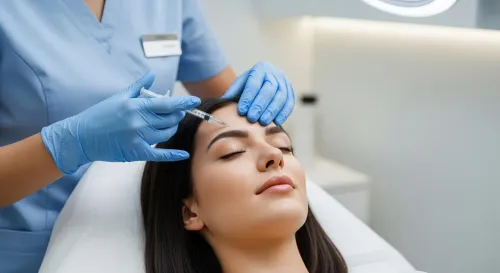
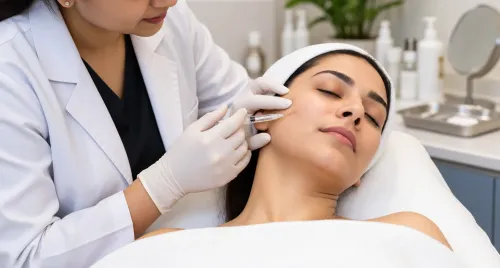
Dermal filler risks include infection, nodules, skin death from injection into a blood vessel, visual impairment, and stroke. Choose a licensed healthcare provider experienced with fillers, and ask which product will be used, where it is approved, and how complications will be handled; a salon assessment is not enough.
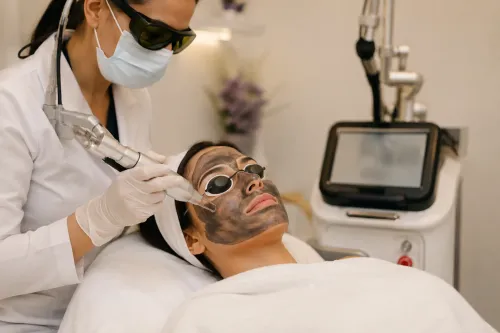
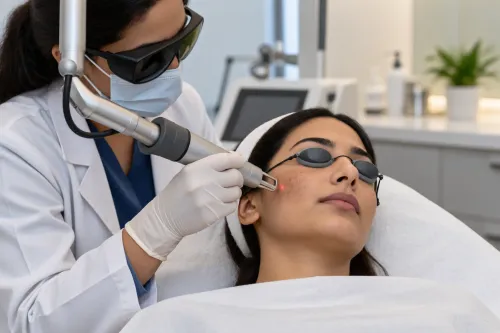
Laser hair removal safety depends on your skin colour, tan, hair colour, device, settings, operator training, test-patch policy, and eye protection. Burns, blisters, pigment changes, scarring, and paradoxical hair growth can follow poor assessment.
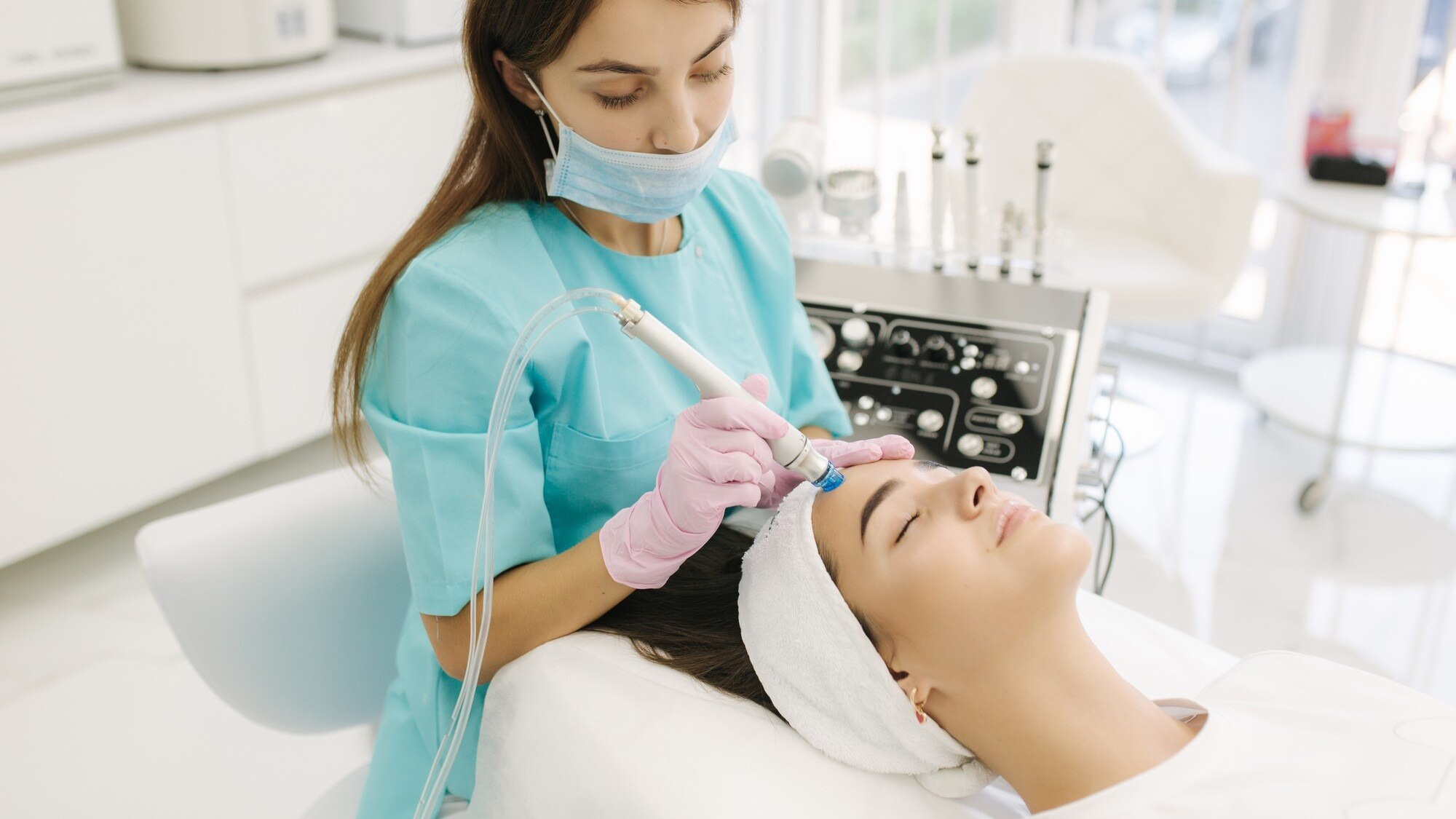
A chemical peel, microneedling, ablative laser, or scar treatment deliberately injures skin and belongs in a clinician-led setting. Ask about waxing isotretinoin precautions before hair removal: isotretinoin can increase skin fragility and tearing risk. Do not let a cosmetologist increase treatment intensity to compensate for a failed home or salon treatment.
What happens at the first consultation, and what should you bring?
At a first cosmetology consultation, expect treatment planning to begin with questions and examination, not a procedure booking. The clinician should establish what changed, what you have tried, and whether an aesthetic treatment is safe for you.
1. Bring your medical history, current and recently stopped medicines, supplements, and allergy history. Include isotretinoin, retinoids, antibiotics, blood thinners, and medicines that increase sun sensitivity; these can affect whether waxing, peels, lasers, or microneedling are appropriate.
2. State your pregnancy and breastfeeding status before any product or procedure is discussed. Tell the clinician if you are trying to conceive, and mention keloids, cold sores, poor wound healing, eczema, psoriasis, or previous pigment changes.
3. Bring a skincare product list covering cleansers, acids, retinoids, bleaching agents, fragrances, and sunscreen. Record how often you use each item and when you started it; irritation from layered products can resemble skin disease.
4. Record symptom dates, spread, triggers, pain, itching, bleeding, and changes after stopping a product. Add prior procedures, including chemical peels, fillers, botulinum toxin, lasers, waxing, and any adverse reactions.
5. Bring dated before-and-after photographs in consistent lighting if the concern fluctuates. During examination, expect inspection of colour, texture, lesions, hair, nails, and areas absent from photographs. The clinician should explain findings, alternatives, risks, referrals, and follow-up before seeking consent.
How should you choose the provider and explain your desired result?
Tell the provider your treatment goals, symptoms, skin texture and colour, and event deadline instead of asking for “a peel” or “laser.” Say whether you have active acne, a changing spot, sensitivity, past reactions, or a tendency to scar; the right treatment depends on the problem, not the trend.
| Provider | What to compare | Questions before proceeding |
|---|---|---|
| Cosmetologist | Training, scope, and referral practice | Will you refer persistent acne, suspicious lesions, infection, or scarring to a dermatologist? |
| Dermatologist | Medical qualification and diagnostic capability | Can you examine the condition with dermoscopy and biopsy when needed, and prescribe treatment? |
| Clinician-led aesthetic provider | Experience, device or product, safety and follow-up | What exact laser, peel strength, injectable product, or skincare ingredient will you use? Is a test patch needed, and who handles complications? |
For laser hair removal, ask about wavelength, your skin colour and tanning status, hair colour, eye protection, and test-patch policy. For fillers, ask for the product name, intended use, risks, and emergency plan; tissue death, visual impairment, and stroke are not salon-level risks.
Choose doctor-led aesthetic care when the concern involves active acne, scarring, pigmentation, injectables, or a procedure that deliberately injures skin. A provider who recommends a stronger device or product without explaining a referral path is a warning sign.
Dr Purva Nucleus Eye And Skin Clinic is relevant when you want diagnostic assessment and aesthetic planning in the same clinical setting, rather than an isolated procedure.
Related services
Dermatologist in Santacruz If you are looking for an experienced dermatologist in Santacruz, Dr. View service → |
Fillers Cosmetic fillers, or dermal fillers, are injectable treatments used to restore facial volume, smooth out wrinkles, and enhance features like lips,... View service → |
Frequently asked questions
When is a cosmetologist the right first appointment?
A cosmetologist is suitable for healthy, intact skin and routine appearance care such as makeup, hair styling, basic product application, or hair removal. Choose a medical assessment when you need a diagnosis or have symptoms.
Which signs mean you need diagnosis before aesthetic treatment?
Arrange diagnosis before aesthetic treatment for a new or changing mole, unexplained rash, persistent itching, bleeding, scaling, pain, swelling, hair loss, nail changes, or a lesion that does not heal.
When is a skin concern urgent rather than cosmetic?
Seek prompt medical care for rapidly spreading redness, severe pain, facial swelling, breathing difficulty, fever with a skin infection, sudden blistering, uncontrolled bleeding, or a rapidly changing pigmented lesion.
What happens at the first consultation, and what should you bring?
The provider reviews your concern, medical history, medicines, allergies, skincare routine, previous procedures, and desired result before recommending care. Bring product labels, treatment records, clear photographs, and a medication list.
How should you choose the provider and explain your desired result?
Choose a provider whose training matches your concern and ask who performs each procedure, what risks and downtime apply, and what alternatives exist. Describe the change you want, your deadline, budget, and limits on downtime.
Related services
Cosmetic Procedures Acne treatment with chemical peels Chemical peels are a powerful, customizable treatment for facial rejuvenation, including issues like acne scars, hyperpigmentation, fine lines, sun... View service → |
Cosmetic Procedures Dermal fillers are our main weapon against anti-ageing. They are capable of lifting and tightening of skin and improving the contour of your face. View service → |
Facial Rejuvenation and Anti-aging Skin Boosters for improved skin quality. Skin boosters aim at restoring a youthful appearance, improve skin texture, reduce fine lines and maximise hydration of your skin . View service → |